Custom Flooring in Modern Home Remodeling
Flooring sets the foundation for every interior. It influences how a space looks, feels, and performs over time. In modern home remodeling, custom flooring has become more than just selecting a material—it is about choosing the right product, layout, finish, and installation method to match the architecture and lifestyle of the homeowner.
Unlike basic builder-grade flooring, custom solutions focus on durability, seamless transitions, visual balance, and long-term value. Whether part of a full interior renovation or a targeted upgrade, flooring plays a structural and aesthetic role that should not be underestimated.
Why Custom Flooring Is a Smart Remodeling Investment
Replacing flooring immediately changes the perception of a home. Worn surfaces, mismatched materials, or outdated finishes disrupt visual flow and lower perceived quality. Custom flooring corrects these issues by creating consistency and intentional design throughout the space.
Key benefits include:
- Stronger visual cohesion across rooms
- Increased durability in high-traffic areas
- Improved resistance to moisture and wear
- Better acoustic comfort
- Higher resale appeal
When integrated into a broader home remodeling project, flooring becomes the unifying element tying kitchens, bathrooms, and living areas together.
Hardwood Flooring: Long-Term Value and Character
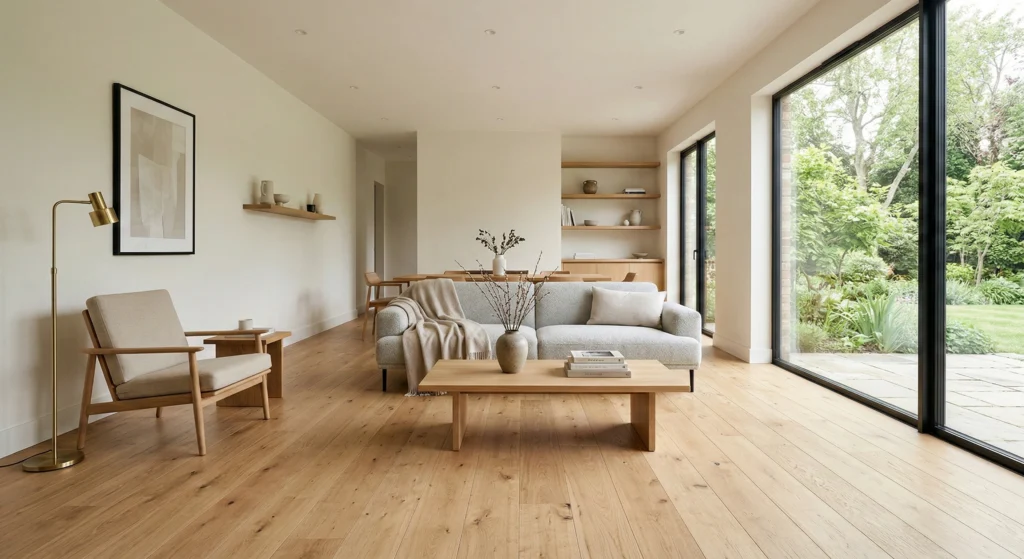
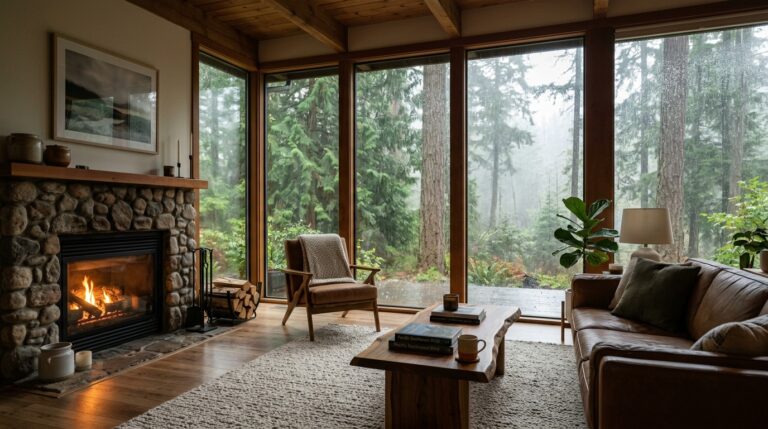
Hardwood flooring remains one of the most desirable choices in residential remodeling. Wide-plank designs, natural finishes, and subtle grain patterns dominate modern interiors because they create warmth without overpowering the space.
Why Homeowners Choose Hardwood:
- Long lifespan with refinishing potential
- Strong resale value
- Timeless appearance
- Compatibility with open-concept layouts
Engineered hardwood is often selected in remodeling projects due to its structural stability and reduced expansion compared to solid wood. This makes it practical for homes with varying humidity levels.
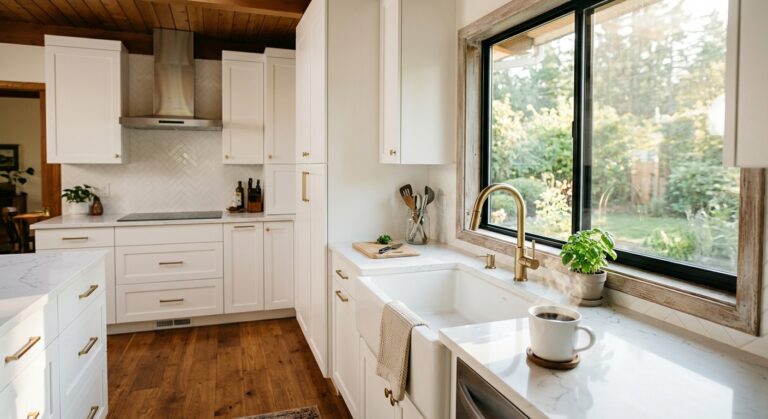
When paired with kitchen remodeling services, hardwood helps create a seamless transition between cooking and living spaces.
Luxury Vinyl Plank (LVP): Performance Without Compromise
Luxury vinyl plank has become a dominant flooring solution in modern homes. Advanced manufacturing now allows it to replicate natural wood textures convincingly while offering enhanced durability.
Advantages of LVP:
- Waterproof construction
- Scratch and dent resistance
- Lower maintenance requirements
- Comfortable underfoot
Because of its moisture resistance, LVP is commonly used in kitchens, bathrooms, laundry rooms, and finished basements. It provides design continuity while addressing practical performance needs.
Tile Flooring: Precision and Durability
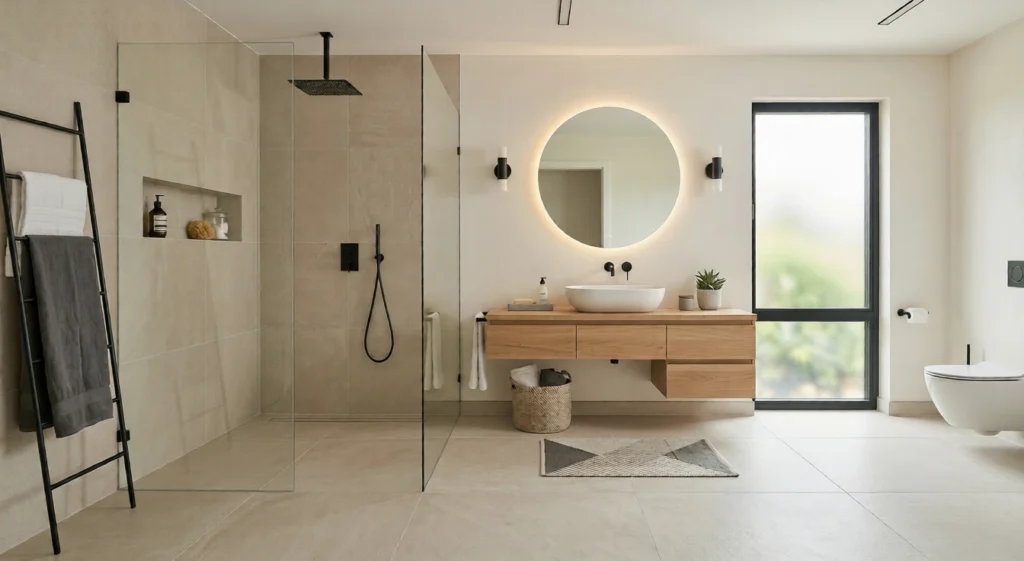
Tile remains a preferred option for areas exposed to water and heavy use. Porcelain tiles, in particular, offer exceptional strength and low porosity, making them ideal for long-term performance.
Benefits of Tile:
- Extremely durable
- Resistant to moisture and stains
- Wide range of finishes
- Minimal maintenance
Large-format tiles are increasingly used to reduce grout lines and create a more expansive appearance. In bathroom remodeling projects, proper tile layout and waterproofing systems are critical for structural integrity.
Custom Layout Patterns That Elevate Design
Custom flooring goes beyond selecting materials. The installation pattern significantly impacts visual character.
Common layout techniques include:
- Herringbone hardwood
- Chevron plank designs
- Diagonal tile placement
- Mixed-width wood planks
- Continuous flooring without transition strips
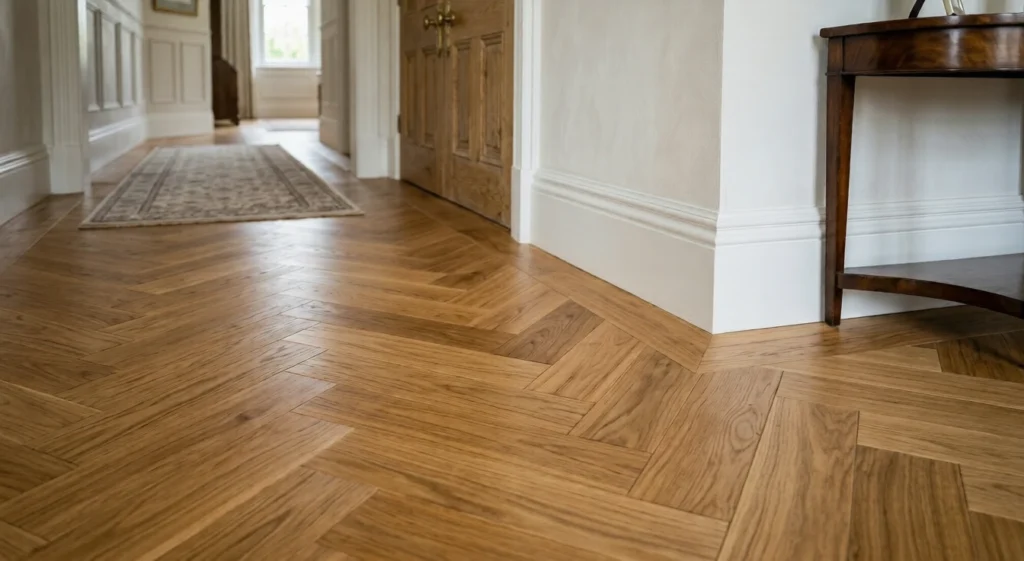
Patterned installations require precise measurements and experienced craftsmanship. Even minor alignment errors become highly visible, which is why professional installation is essential.
Flooring for Open-Concept Interiors
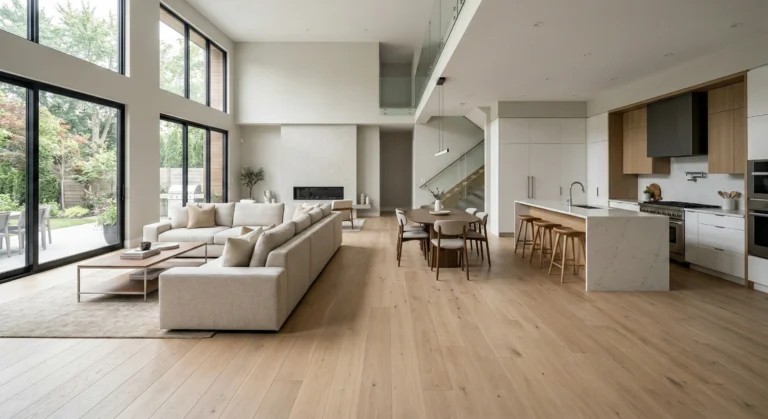
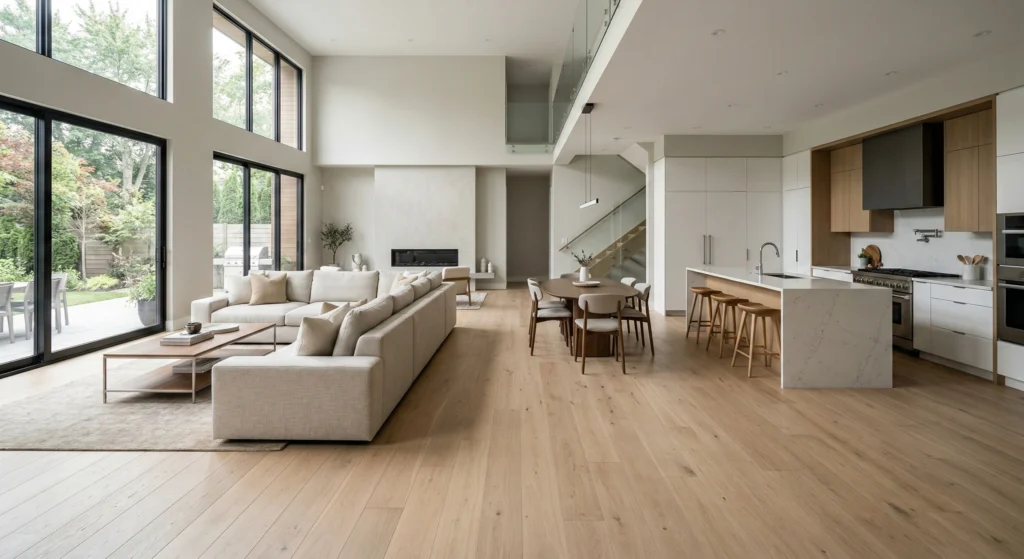
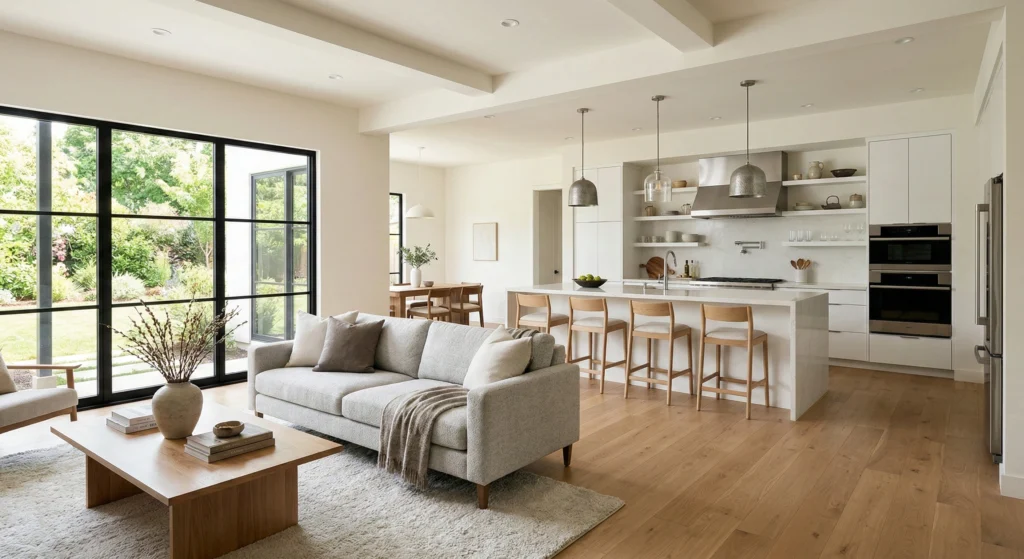
Modern homes often feature open layouts connecting kitchens, dining areas, and living rooms. Flooring must visually anchor these spaces without breaking continuity.
Important considerations include:
- Using one primary flooring material across connected areas
- Selecting neutral tones that complement cabinetry and walls
- Ensuring consistent plank direction
- Eliminating unnecessary thresholds
Seamless transitions improve spatial flow and make interiors appear larger and more cohesive.
Subfloor Preparation and Structural Stability
A common mistake in remodeling is focusing only on surface materials while neglecting the subfloor. Even premium flooring products will fail if installed on an uneven or unstable base.
Professional flooring installation includes:
- Subfloor inspection
- Leveling and moisture testing
- Structural reinforcement if necessary
- Proper underlayment selection
Skipping these steps leads to squeaking, shifting, and premature wear.
Sustainability and Modern Material Choices
Homeowners increasingly consider environmental impact when choosing flooring. Sustainable options include:
- FSC-certified hardwood
- Reclaimed wood planks
- Low-VOC finishes
- Recyclable vinyl products
Modern manufacturing techniques allow durable materials to meet both aesthetic and environmental standards without sacrificing performance.
Maintenance and Long-Term Performance
Different materials require different maintenance strategies.
- Hardwood may require periodic refinishing
- LVP requires regular cleaning but no sealing
- Tile may need grout maintenance over time
Choosing flooring should align with lifestyle. Homes with pets, children, or heavy daily traffic often prioritize scratch resistance and easy maintenance over purely aesthetic considerations.
When to Replace Flooring During Remodeling
Flooring replacement is recommended when:
- Surfaces show structural wear
- Materials are outdated or mismatched
- Layout changes affect multiple rooms
- Moisture damage is present
- A full interior update is planned
Coordinating flooring upgrades with broader interior remodeling services ensures design consistency and reduces long-term labor costs.
Professional Installation vs. DIY
While some homeowners consider DIY flooring installation, complex layouts and premium materials demand professional precision.
Professional installers provide:
- Accurate measurements
- Proper acclimation of materials
- Seamless transitions
- Clean finishing details
- Warranty-backed workmanship
Mistakes in alignment, expansion spacing, or subfloor prep often result in costly corrections later.
Final Thoughts
Custom flooring is a foundational component of modern home remodeling. It affects aesthetics, durability, comfort, and long-term property value. The right material, combined with precise installation and thoughtful layout planning, transforms interiors in a way few other upgrades can match.
Whether selecting hardwood for timeless warmth, luxury vinyl for performance, or tile for durability, investing in custom flooring ensures that the entire home feels intentional, cohesive, and built to last.