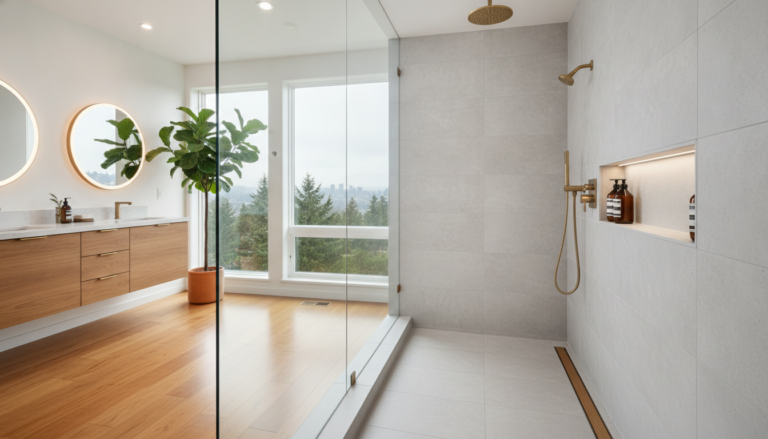
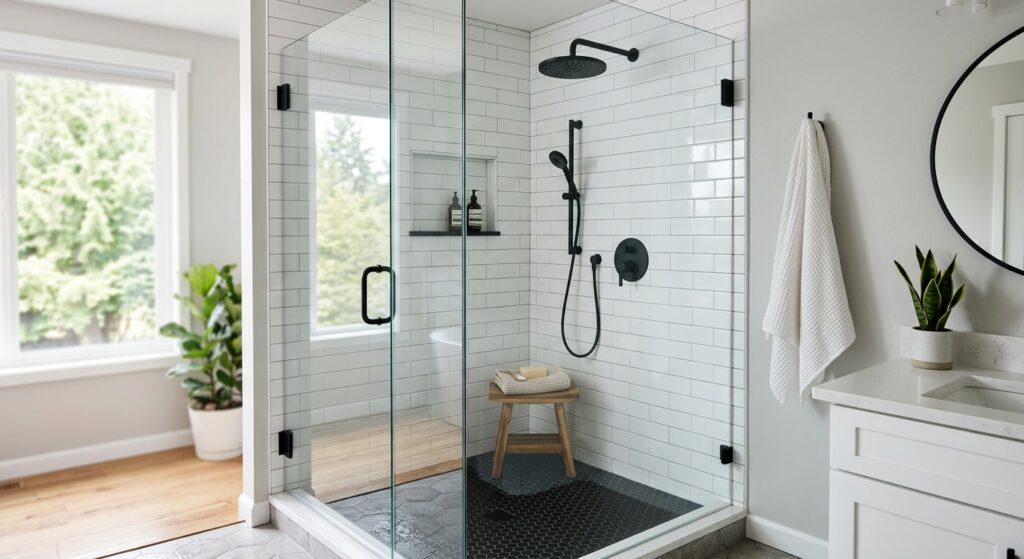
The typical 2026 tub to shower conversion cost Seattle homeowners can expect ranges from $4,000 to $12,000+, with basic prefab shower swaps falling on the lower end and full curbless or custom-tiled wet rooms driving the higher prices. If you live in Renton, Bellevue, Maple Valley, or anywhere on the Eastside, transforming an outdated, clunky bathtub into a sleek, functional walk-in shower is one of the most popular home renovations today. Not only does this upgrade instantly modernize your space, but it also creates a safer, more accessible environment for every stage of life. In this comprehensive guide, we will break down exactly what factors influence your final invoice, explore the best design choices for the damp Pacific Northwest climate, and answer the burning question of whether ditching your only bathtub will negatively impact your property’s resale value. Whether you are looking for a quick acrylic swap to refresh a guest bathroom or planning a luxurious primary suite overhaul, understanding the local market rates and material requirements will help you make a confident, informed decision for your home.
The 2026 Cost of a Tub-to-Shower Conversion in Seattle
Budgeting for a major home improvement project starts with understanding the local economic landscape. In the Seattle metro, the cost of this upgrade is shaped by regional labor rates, the price of specialized waterproofing materials, and the structural quirks of older Pacific Northwest homes. While national averages might suggest lower figures, the Seattle area tends to run higher due to a competitive housing market and stricter building codes. Homeowners need to account for demolition, debris disposal, plumbing adjustments, and finish materials. Preparation is key to avoiding surprises, especially when opening up walls in older homes where hidden water damage is common. Once you understand the three main tiers — prefab, mid-range custom, and luxury curbless — you can set realistic expectations and sidestep the sticker shock that often comes with custom contractor quotes.
Cost Breakdown by Option: Prefab Swap, Tiled Walk-In, and Curbless Wet Room
Understanding the different tiers of materials and labor is crucial when comparing the quotes contractors provide. The most affordable route is a basic prefab shower stall, which uses pre-made acrylic or fiberglass panels. It installs quickly and usually requires no major plumbing relocation. A mid-range tiled walk-in shower offers far more aesthetic flexibility — custom ceramic or porcelain tile, niche inserts, and frameless glass doors. At the top end, a curbless wet room represents the pinnacle of modern bathroom design: it requires sloping the entire floor toward a linear drain and demands meticulous waterproofing, which pushes up labor hours. The table below breaks down what to expect across these three categories in the current market.
| Conversion Type | Estimated Cost Range (2026) | Best For |
|---|---|---|
| Basic Prefab Swap | $4,000 – $6,500 | Guest baths, tight budgets, rental properties |
| Mid-Range Tiled Walk-In | $6,500 – $9,500 | Primary suites, modern aesthetics, custom sizing |
| High-End Curbless Wet Room | $9,500 – $12,000+ | Aging-in-place, luxury remodels, spa-like experiences |
If you are planning a more comprehensive overhaul beyond just the shower area, it is wise to review What is the Average Cost of a Bathroom Remodel in Renton? to see how this specific upgrade fits into a larger renovation budget.
What Drives the Price? Plumbing, Waterproofing, and Custom Features
When assessing your individual project, it is essential to look beneath the surface. The base price can swing widely based on structural and design choices. Moving plumbing lines is one of the quickest ways to inflate a budget — if the drain has to shift to fit a new shower pan, or you upgrade to a multi-head rainfall system, expect higher labor costs. Here are the primary factors that will dictate your final total:
- Plumbing Relocation: Keeping the drain and valve in their original locations minimizes demolition and piping work.
- Waterproofing Systems: Premium membranes cost more upfront but prevent catastrophic and costly leaks in the long run.
- Glass Enclosures: A simple shower curtain is virtually free, whereas a custom, thick-cut frameless glass enclosure can easily add $1,500 to $3,000 to the bill.
- Tile and Material Selection: Hand-crafted artisan tiles cost significantly more in both material price and installation time compared to standard large-format porcelain.
- Built-In Features: Adding custom recessed niches for shampoo or built-in corner benches requires additional framing and precise tile work.
Understanding these variables helps you prioritize your wishlist and allocate funds where they matter most, ensuring you get the features you want without blowing your budget.
Shower Styles: Walk-In vs. Curbless Showers
Once you have a grasp on the financials, the next major decision is choosing between a standard walk-in shower and a fully curbless design. A standard walk-in shower features a low step-over threshold, usually about two to four inches high. This curb acts as a dam to keep water contained and makes the installation of the shower pan straightforward. Because it uses a traditional pan and standard framing, this style is more cost-effective and helps keep your tub to shower conversion cost Seattle estimates on the lower end of the spectrum. Conversely, a curbless shower, also known as a zero-threshold or barrier-free shower, offers a seamless transition from the main bathroom floor straight into the showering area. Achieving this look requires dropping the subfloor or raising the bathroom floor to create the necessary slope for drainage. While a curbless design is undeniably sleek and modern, it requires advanced engineering and extensive waterproofing. The investment is often worth it for the visual expansion of the room and the ultimate accessibility it provides, which is why it remains a centerpiece in the Top Bathroom Remodeling Trends in Seattle for 2026.
Future-Proofing Your Home: Aging-in-Place and Smart Accessibility
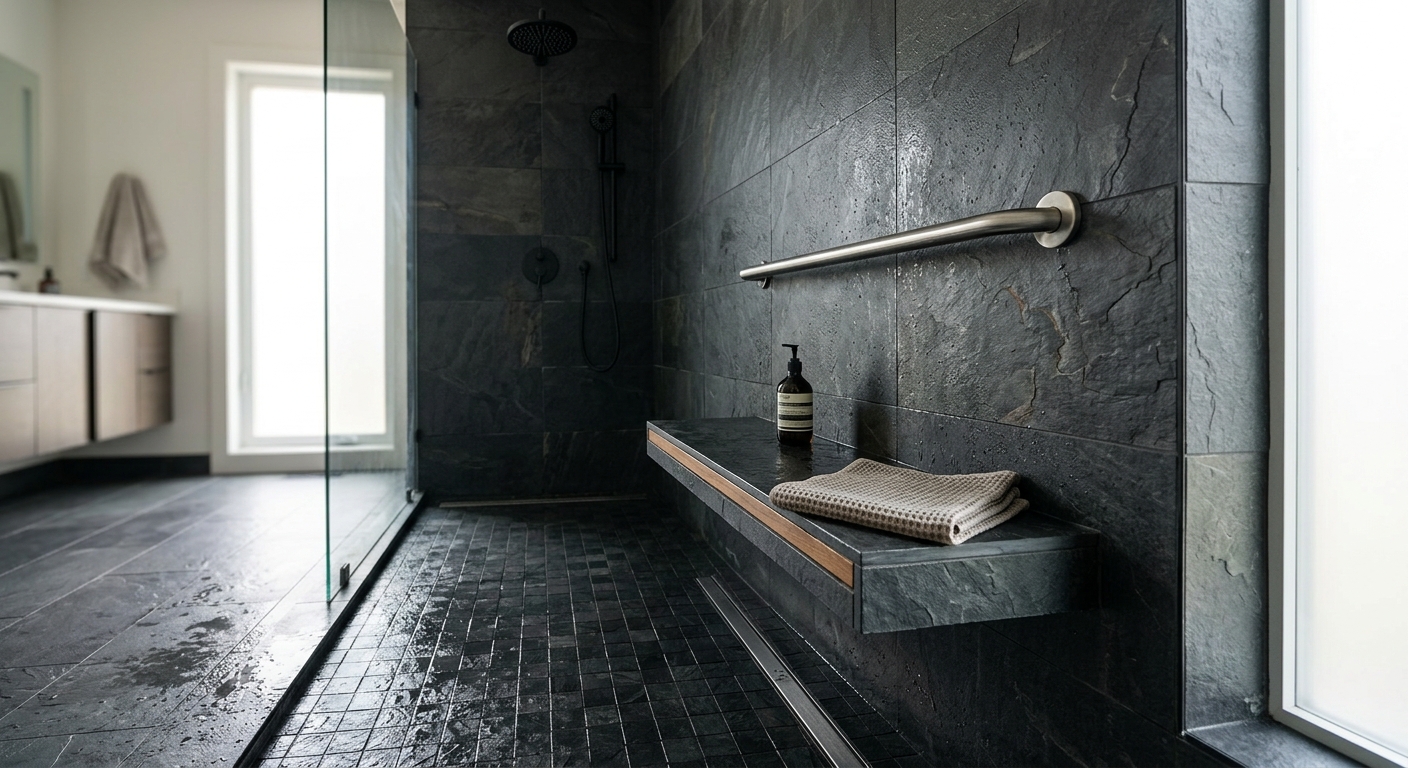
Many homeowners initially consider removing their bathtub strictly for aesthetic reasons, but the functional benefits cannot be overstated. Designing with accessibility in mind—often referred to as aging-in-place—is no longer just for seniors; it is a smart strategy for future-proofing your property. A well-designed walk-in shower accommodates individuals of all mobility levels, from pregnant women and young children to athletes recovering from injuries. By incorporating universal design elements during your renovation, you elevate both the safety and usability of the space. Consider integrating a curbless entry to eliminate tripping hazards, reinforcing the walls during framing to support sleek, modern grab bars, and choosing non-slip, textured tile for the flooring. A sturdy, built-in bench provides a comfortable resting spot and adds a spa-like feel to the enclosure. Future-proofing adds immense long-term value, ensuring your home remains comfortable and functional regardless of what life throws your way. When you weigh the quotes contractors provide, framing these features as a long-term investment rather than an immediate expense can shift your perspective entirely.
Pacific Northwest Waterproofing Essentials for Damp Climates
Living in the Seattle metro area means dealing with persistent moisture, both outside and inside your home. The damp Pacific Northwest climate is notorious for encouraging mold and mildew growth, making rigorous waterproofing an absolute necessity during any bathroom remodel. When converting a tub to a shower, the sheer volume of water hitting the walls and floor daily requires a flawless barrier system. Cutting corners on the membrane or relying solely on standard drywall is a recipe for disaster. Proper ventilation paired with high-quality waterproofing ensures your new investment won’t succumb to rot.
“In the damp environment of the Pacific Northwest, your shower’s longevity is dictated entirely by what lies behind the tile. Investing in a continuous, surface-applied waterproof membrane isn’t an upgrade—it is a structural imperative to prevent insidious water damage and mold.”
Contractors must use mold-resistant materials, specialized backer boards, and powerful exhaust fans to mitigate the high humidity. For more detailed strategies on protecting your investment, read our guide on How to Design a Mold-Resistant Bathroom in Washington’s Damp Climate. Factoring these critical protections into your renovation budget is non-negotiable if you want a shower that lasts decades.
The Big Question: Does Removing Your Only Bathtub Hurt Resale Value?
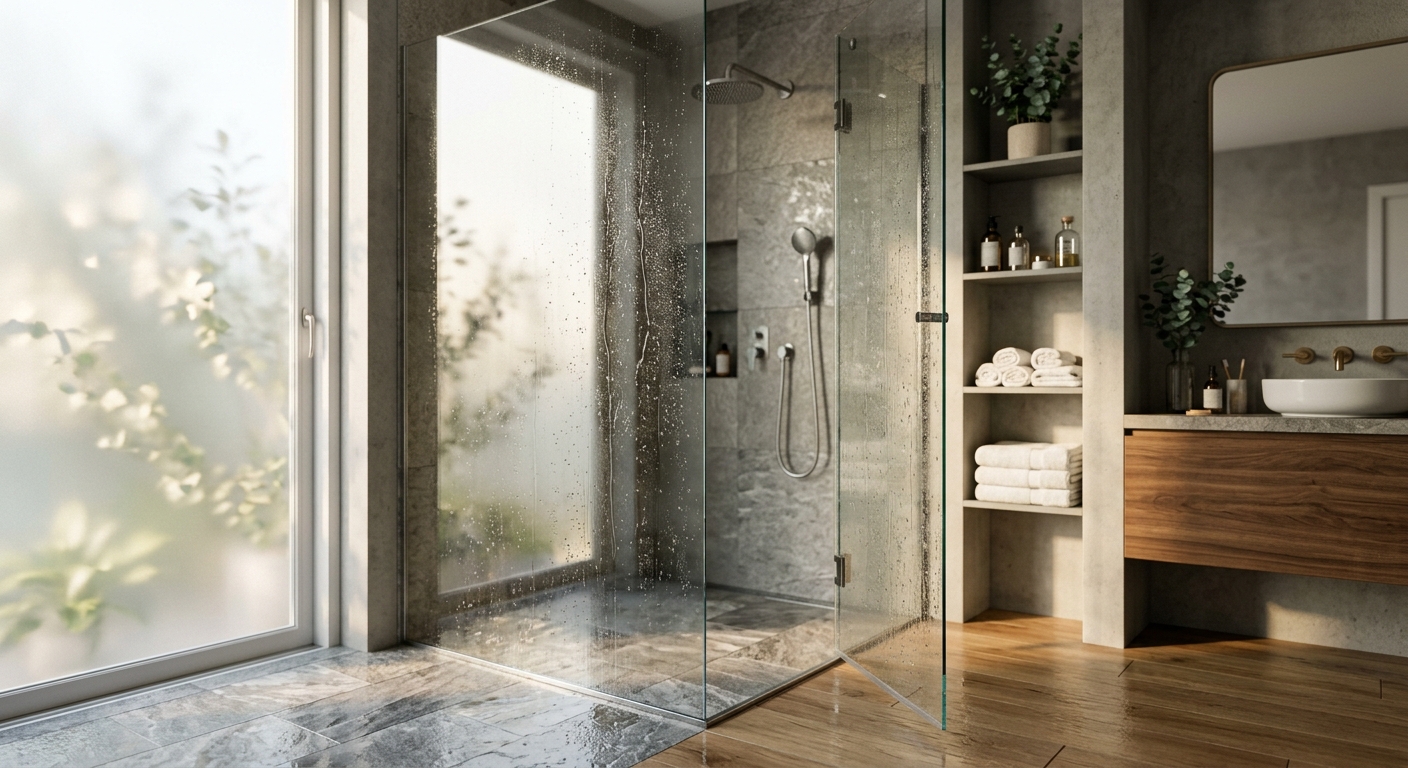
One of the most persistent myths in home renovation is that every home must have a bathtub to appeal to buyers. Homeowners in Renton, Maple Valley, and Bellevue frequently ask if tearing out their only tub will torpedo their property value. The reality in 2026 is much more nuanced. While families with infants or toddlers traditionally prefer a bathtub, the broader demographic of homebuyers—including young professionals, empty nesters, and multi-generational households—vastly prefers a spacious, luxurious walk-in shower over a cramped, outdated tub-shower combo. If you have multiple bathrooms and are simply removing the tub from the primary suite, the upgrade will almost certainly increase your home’s appeal. However, if it is the sole bathtub in the house, you should weigh the decision against your neighborhood’s typical buyer profile. In family-heavy Seattle suburbs, keeping one tub might be a safe bet. But if your current bathtub is an uninviting eyesore, replacing it with a stunning, high-quality shower is a major visual upgrade that most buyers will celebrate. A balanced local approach focuses on the quality of the finish; a poorly executed shower will hurt value more than the thoughtful absence of a tub.
Tub-to-Shower Conversion FAQ
Making a major change to your bathroom layout naturally brings up a lot of questions. Below are the most common inquiries we receive from local homeowners regarding this specific renovation process.
How much does a tub-to-shower conversion cost?
The typical tub to shower conversion cost Seattle residents pay in 2026 ranges from $4,000 for a straightforward acrylic prefab installation up to $12,000 or more for a fully custom, curbless tiled wet room with high-end glass enclosures. Your final price depends heavily on material choices and whether major plumbing or structural modifications are required.
How long does it take?
A basic tub-to-shower conversion using a prefabricated unit can often be completed in as little as two to three days. However, a custom tiled walk-in shower requires multiple stages, including demolition, plumbing, waterproofing membranes, tiling, grouting, and custom glass installation. For a high-quality tile finish, expect the timeline to take between seven and fourteen days from start to finish.
Do I need a permit in Renton?
Yes, in Renton and most cities within the Seattle metro area, you will generally need a plumbing permit if you are moving the drain, altering the valve, or extending water lines. Basic fixture swaps might not require one, but any significant alteration to the underlying plumbing infrastructure must be permitted and inspected to ensure it meets strict local building codes.
Will removing my tub lower my home value?
Not necessarily. If your home has another bathtub, converting your primary bath’s tub into a walk-in shower usually increases value and marketability. If it is the only tub in the home, it could deter a small segment of buyers with young children, but many modern buyers prioritize a high-end shower over an unused, outdated bathtub.
Is a curbless shower worth it?
Absolutely. While it drives up the initial project cost due to the structural subfloor alterations required, a curbless shower provides unmatched accessibility, a seamless modern aesthetic, and makes the bathroom appear significantly larger. It is an excellent long-term investment for aging-in-place and luxury home design.
Ready to Upgrade? Get a Free In-Home Estimate in the Seattle Metro
Transforming your outdated bathtub into a stunning, highly functional walk-in shower is one of the most rewarding improvements you can make to your home. Whether you are looking to create a spa-like retreat, enhance your bathroom’s accessibility, or simply modernize your space, understanding the nuances of the tub to shower conversion cost Seattle market is your first critical step. Our team of local experts is deeply familiar with the specific needs of Pacific Northwest homes, from robust waterproofing techniques to navigating complex plumbing codes in Renton, Bellevue, and beyond. Don’t settle for a bathroom that no longer serves your current lifestyle. Explore our comprehensive Bathroom Remodels services to see how we can bring your vision to life safely and beautifully. If you are ready to stop guessing at prices and want concrete numbers tailored specifically to your space, contact us today for a free, no-obligation in-home estimate. We will walk you through the material options, structural possibilities, and precise timelines to ensure your next project is an absolute success from day one.