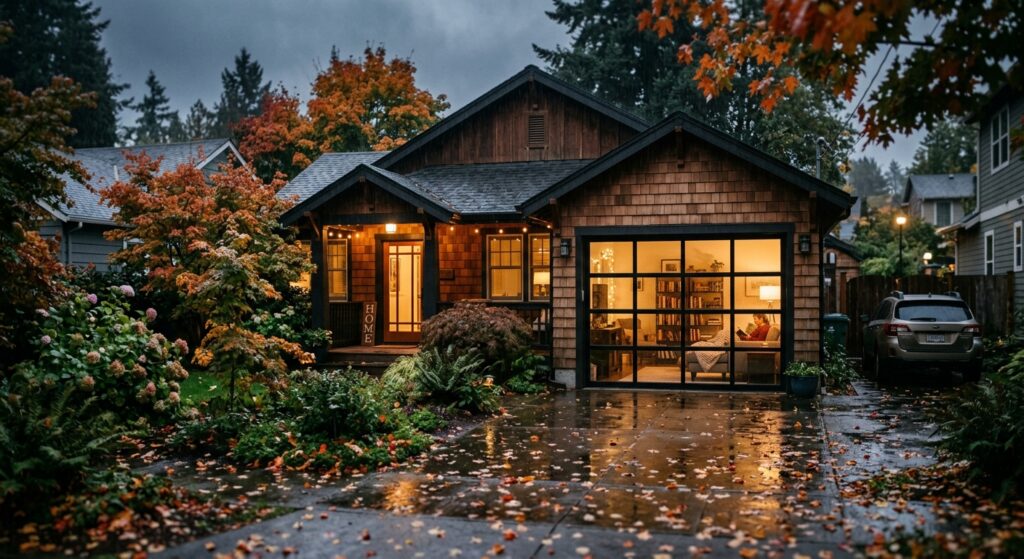
Are you wondering what it takes to turn an unused garage into a functional living area in Renton, Washington? A standard garage conversion in Renton typically costs between $30,000 and $80,000 depending on whether you are building a simple guest room or a fully independent Accessory Dwelling Unit (ADU). To execute this project legally, homeowners must secure specific King County and City of Renton building permits, ensure strict zoning compliance, and meet rigorous Pacific Northwest insulation codes to combat cold, damp winters.
With housing prices and mortgage rates soaring across King County, families are increasingly choosing a garage conversion over moving to gain valuable square footage and substantially increase their property value. If you are ready to transform your space, the secret to a successful project lies in understanding local parking replacement requirements, establishing effective moisture barriers, and partnering with experienced professionals. Below, we dive deep into the exact steps, municipal regulations, and high-ROI strategies for navigating this complex remodeling process smoothly.
Why Renton Homeowners Are Converting Garages Instead of Moving
Over the past few years, the real estate landscape in the Pacific Northwest has undergone a dramatic shift. Homeowners in Renton are finding themselves at a crossroads as their families grow or their lifestyle needs evolve. Traditionally, the logical step was to sell the current property and purchase a larger home. However, the current economic climate has made this traditional path financially daunting. Upgrading to a larger property now means taking on a new mortgage, dealing with expensive closing costs, and facing highly competitive bidding wars. Instead of navigating the chaotic real estate market, savvy homeowners are looking inward at their existing footprint.
The attached or detached garage, often relegated to storing seasonal decorations and forgotten fitness equipment, represents a massive opportunity. Transforming this underutilized area into a fully functional living space provides the exact extra square footage a family needs without uprooting their lives. A well-planned garage conversion allows you to stay in the neighborhood you love, keep your children in their current school district, and completely bypass the stress of moving. By utilizing the existing foundation and roof structure, the overall timeline and environmental impact of the project are significantly reduced compared to building a brand new addition from scratch. It is a highly practical solution tailored for modern housing challenges.
Beating King County’s Rising Interest Rates and Housing Prices
The driving force behind this remodeling trend is deeply rooted in economics. King County has experienced surging housing prices, pushing the median home cost to record highs. Concurrently, rising interest rates have trapped many homeowners in a phenomenon known as the ‘golden handcuffs.’ If you secured a mortgage rate of around three or four percent a few years ago, abandoning that favorable rate for a new loan at six or seven percent makes very little financial sense.
The sheer cost of borrowing has doubled, making a move prohibitively expensive for middle-class families. This financial reality makes a garage conversion an incredibly attractive alternative. Instead of paying tens of thousands of dollars in real estate agent commissions, loan origination fees, and moving expenses, you can invest that capital directly into your current property.
Financing a remodel through a home equity line of credit (HELOC) often results in a significantly lower monthly financial burden than purchasing a new, larger house. Furthermore, the newly created space immediately adds intrinsic value to your property. Whether you need a quiet home office for remote work, a private gym, or a comfortable suite for aging parents, adapting the space you already own is the most effective strategy to beat the unforgiving King County housing market.
Navigating King County and Renton Permits for Garage Conversions
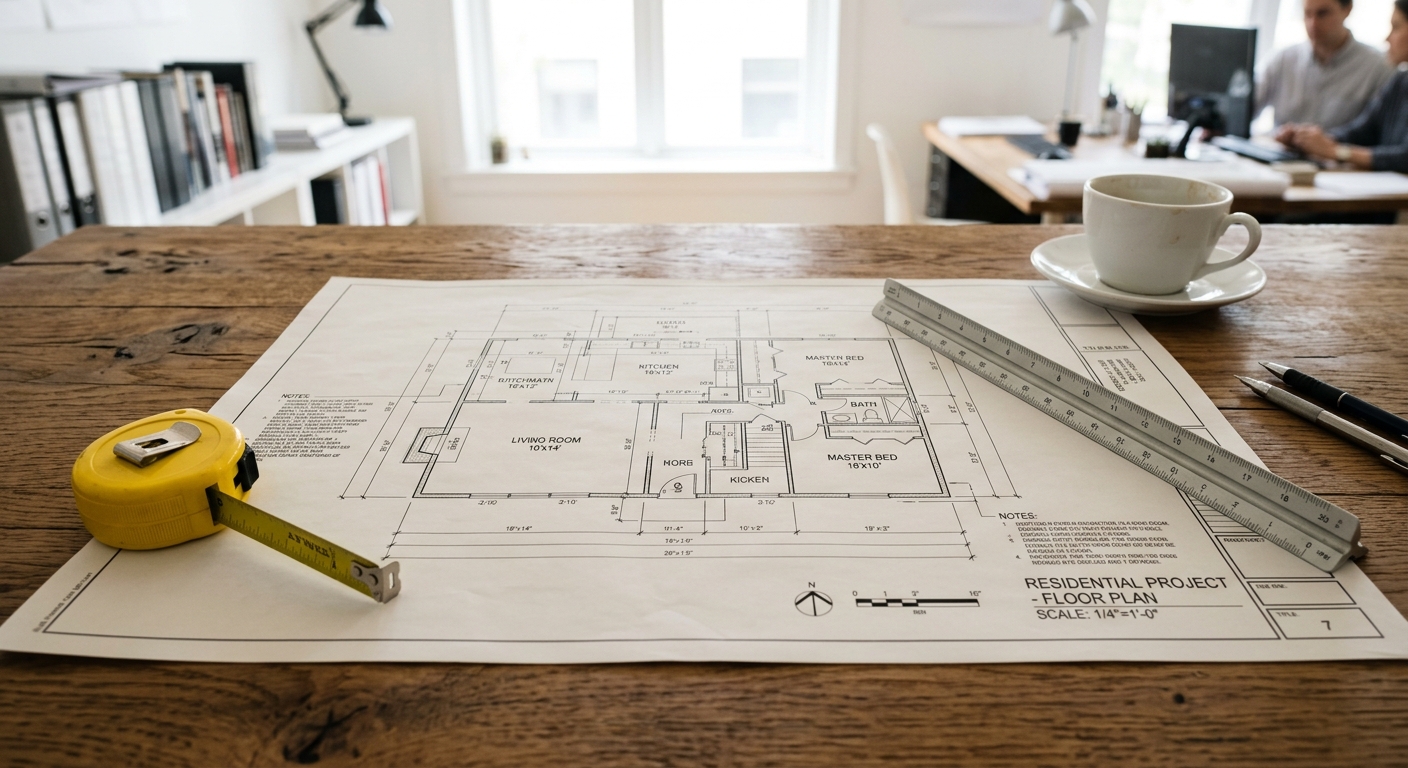
One of the most intimidating aspects of any major home remodeling project is the regulatory paperwork. In Renton, transforming a non-habitable structure into a habitable living space is strictly regulated to ensure safety and structural integrity. Attempting an unpermitted garage conversion is a critical mistake that can lead to severe fines, forced teardowns, and catastrophic issues when you eventually try to sell your home.
Buyers’ home inspectors will quickly flag unpermitted work, and mortgage lenders will often refuse to finance homes with illegal additions. Therefore, doing it by the book is non-negotiable. The permitting process involves submitting detailed architectural plans, structural engineering reports if walls are being moved, and comprehensive electrical and plumbing schematics.
City planners will review your application to ensure that the proposed changes adhere to current building codes. Engaging a qualified contractor early to handle the permit application process drastically reduces approval delays and ensures your project starts on solid legal ground. Local municipalities want to see that the new living space will be safe, well-ventilated, and structurally sound, making professional blueprints an absolute necessity.
Is It Legal to Turn Your Garage Into an ADU or Guest Room?
The short answer is yes, it is entirely legal to convert your garage into an Accessory Dwelling Unit (ADU) or a guest room, provided you follow the rigorous guidelines set forth by local authorities. However, there is a distinct legal difference between a simple bonus room and a fully functional ADU. A guest room or family room is considered an extension of the primary residence.
It generally requires standard building, electrical, and mechanical permits. An ADU, on the other hand, is defined as a self-contained living space equipped with its own kitchen, bathroom, and private entrance. Because an ADU operates as an independent living quarter, it is subject to a much more stringent set of regulations. Renton has embraced the development of ADUs to combat housing shortages, but the city requires specific permits to establish one.
Verifying your property’s specific zoning designation and lot size limits is the mandatory first step before drafting any ADU plans. You must ensure your lot is legally permitted to house an additional dwelling unit, which dictates the scope, size, and layout of your entire renovation project.
Zoning Laws, Parking Requirements, and Code Compliance
Compliance with Renton’s zoning laws goes far beyond just getting a building permit; it dictates the practical functionality of your property. One of the most common hurdles homeowners face is the city’s off-street parking requirement. Structures originally built for vehicles are primarily recognized as designated parking spots. When you eliminate this parking space to create a living area, local zoning laws typically mandate that you replace the lost parking spots elsewhere on your property.
This might involve expanding your driveway or creating a new parking pad, which can impact your landscaping and permeable surface limits.
To guarantee complete code compliance, your project must address several vital structural elements:
- Egress Requirements: Any space designated as a sleeping area must feature an egress window of a specific size to allow for emergency escape and rescue in case of fire.
- Ceiling Height: Habitable rooms must meet minimum ceiling height codes, which can be challenging if your existing structure has exposed trusses, ductwork, or exceptionally low rafters.
- Fire Separation: If the new space is attached to the main house but acts as a separate ADU, you must install a fire-rated barrier between the two units to prevent the spread of flames.
- Utility Load: Your current electrical panel and water heater must be evaluated by a professional to ensure they can safely handle the additional load of a new bathroom, kitchen appliances, and HVAC system.
Failing to account for these specific zoning and safety codes during the planning phase will inevitably lead to costly revisions and delayed construction schedules.
Essential PNW Insulation Requirements for a Cozy Living Space
Creating a comfortable living environment in the Pacific Northwest requires a specialized approach to weatherproofing and climate control. Structures built to house cars are inherently not designed for humans. As such, they are rarely insulated to the same standards as the rest of your home.
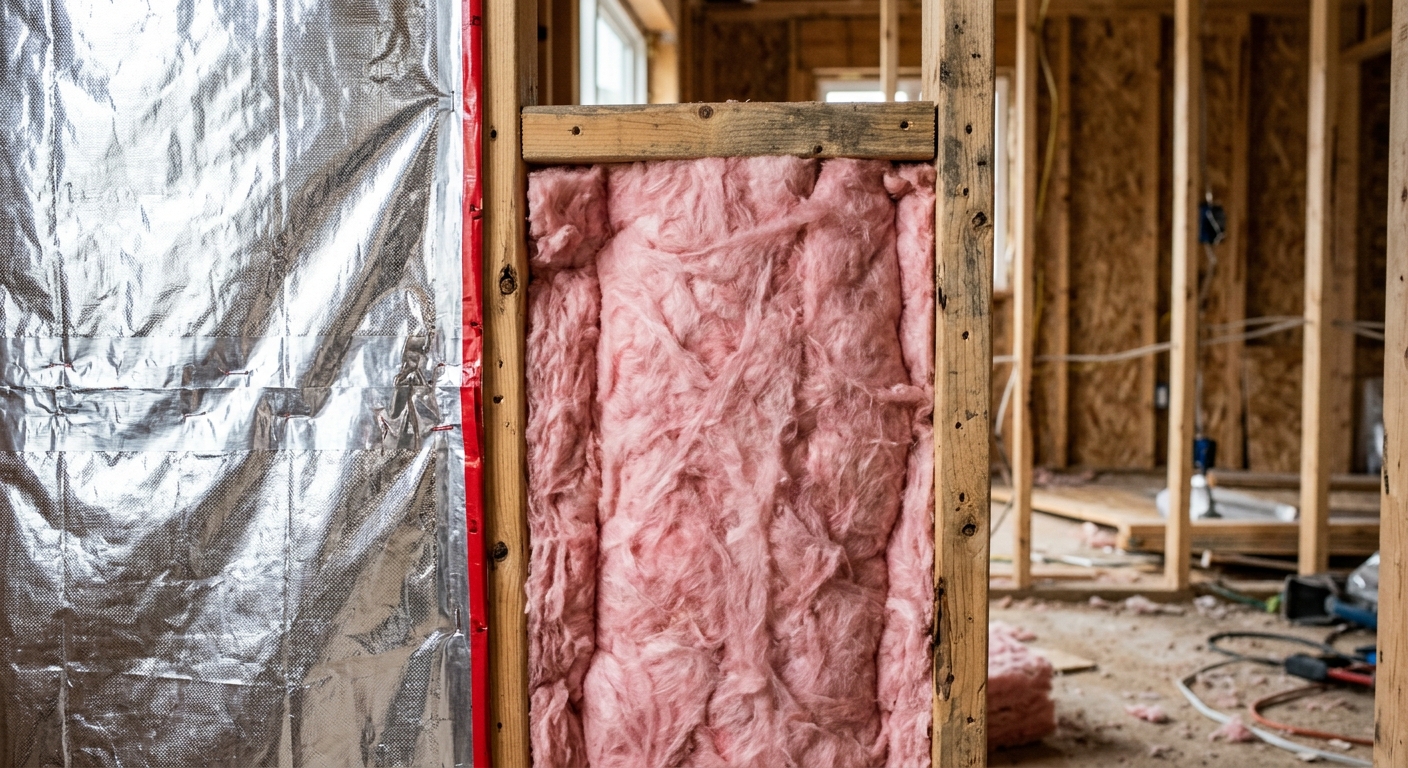
They feature uninsulated concrete slab floors, drafty overhead doors, and single-pane windows that offer virtually zero thermal resistance. The constant rain and low winter temperatures in Washington mean that a poorly insulated garage conversion will quickly become a freezing, damp, and unlivable space. Upgrading the thermal envelope is arguably the most critical phase of the entire construction process. The walls must be stripped down to the studs to allow for high-density fiberglass, mineral wool, or closed-cell spray foam insulation. The ceiling, especially if it sits directly beneath the roof deck, requires proper ventilation baffles and deep insulation to prevent heat loss and avoid ice dam formation on the roof. Applying a continuous thermal break along the exterior walls is a proven method to drastically reduce energy consumption and maintain a consistent indoor temperature year-round.
Moisture Control and Heating Solutions for Cold Washington Winters
In King County, moisture is the absolute enemy of any home addition. The combination of cold outdoor air and warm indoor air can easily cause condensation within the walls, leading to toxic black mold and severe structural rot. Concrete floors are incredibly porous and naturally wick moisture up from the wet Washington soil. To combat this, you cannot simply lay carpet or hardwood over the existing slab. Installing an impermeable vapor barrier directly over the concrete slab followed by a raised subfloor system is crucial to keeping the interior entirely dry and comfortably warm.
Once the space is sealed and insulated, you need an efficient way to heat it. Extending your home’s existing central HVAC system into the new addition is often impractical and inefficient, as it places undue strain on a system not originally sized for the extra square footage. The most popular and energy-efficient solution for these projects is a ductless mini-split heat pump. These sleek units provide both powerful winter heating and summer air conditioning while operating independently from the main house. They require minimal invasive ductwork and allow the occupants of the newly converted space to control their own climate, ensuring absolute comfort despite the gloomy weather outside.
Garage Conversion Costs in Renton: What to Expect
Budgeting for a project of this magnitude requires a realistic understanding of local material and labor rates. In Renton, a garage conversion is a significant financial investment, though still far cheaper than building a completely new addition from the ground up.
The total price tag fluctuates wildly depending on the condition of the existing structure and the intended use of the new room. A straightforward transition into a home gym or a basic family room without plumbing will sit at the lower end of the spectrum. Conversely, constructing a fully independent ADU with custom cabinetry, quartz countertops, a modern bathroom, and upgraded electrical panels will push the budget toward the higher end. Below is an estimated breakdown of costs you might encounter during a standard two-car transformation in King County:
| Project Component | Estimated Cost Range (USD) | Details |
|---|---|---|
| Permits & Architectural Plans | $2,500 – $6,000 | City of Renton fees, structural engineering, blueprints. |
| Framing, Insulation & Drywall | $8,000 – $15,000 | Subfloor creation, wall insulation, vapor barriers, sheetrock. |
| Plumbing & Electrical Upgrades | $5,000 – $18,000 | New sub-panel, mini-split HVAC, bathroom pipes, lighting. |
| Finishes (Flooring, Paint, Doors) | $7,000 – $20,000 | LVP flooring, replacing the large door with French doors, trim. |
| Total Estimated Range | $30,000 – $80,000+ | Varies significantly for basic rooms vs. full independent ADUs. |
While these figures represent a substantial outlay, it is vital to remember that investing in high-quality materials and licensed contractors upfront prevents catastrophic repair bills and code violations in the future.
Real ROI: Does a Garage Conversion Add Value to Your Home?
When investing tens of thousands of dollars into home improvements, understanding your Return on Investment (ROI) is paramount. A legally permitted, high-quality garage conversion is one of the most lucrative ways to force appreciation on your property in the Pacific Northwest.
First and foremost, you are adding heated, livable square footage to your home. In King County, where the price per square foot is exceptionally high, adding 400 to 500 square feet of permitted living space translates directly to a massive boost in your home’s overall appraisal value.
Often, homeowners see an ROI ranging from 60% to 80% upon resale, making it a highly sound capital expenditure. Furthermore, if you choose to build a fully compliant ADU, you open the door to continuous passive income. Renton’s proximity to Seattle and major tech hubs makes it a highly desirable location for renters. Leasing out an ADU can generate thousands of dollars per month, completely offsetting the initial loan payments for the remodel and providing long-term financial security.
Even if you do not rent it out, having a dedicated multi-generational suite makes your property highly attractive to prospective buyers looking to house elderly parents or adult children.
Summary: Ready to Transform Your Renton Garage?
Converting your underutilized parking space into a vibrant, warm, and highly functional living area is an incredible way to maximize your property’s potential in today’s challenging real estate market. A well-executed garage conversion allows you to bypass the financial strain of soaring interest rates and inflated housing prices while adding significant equity to your home.