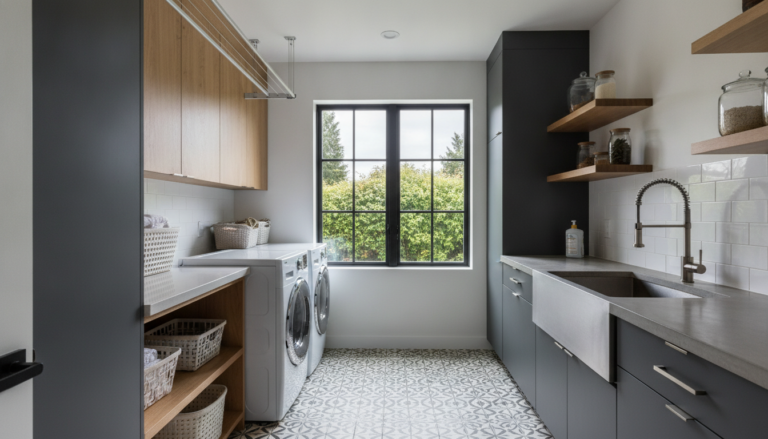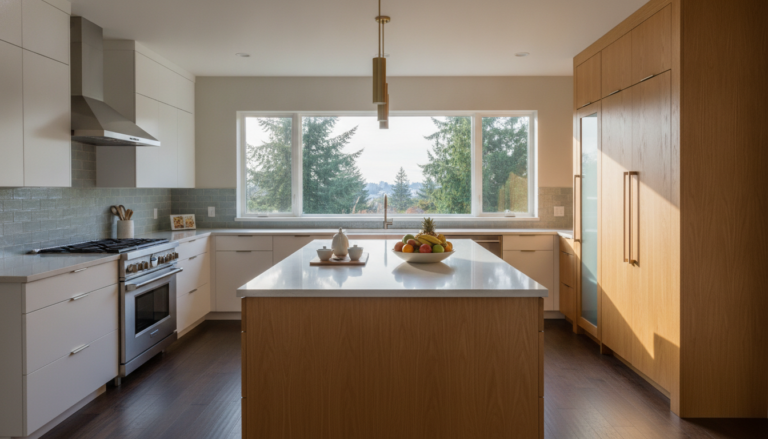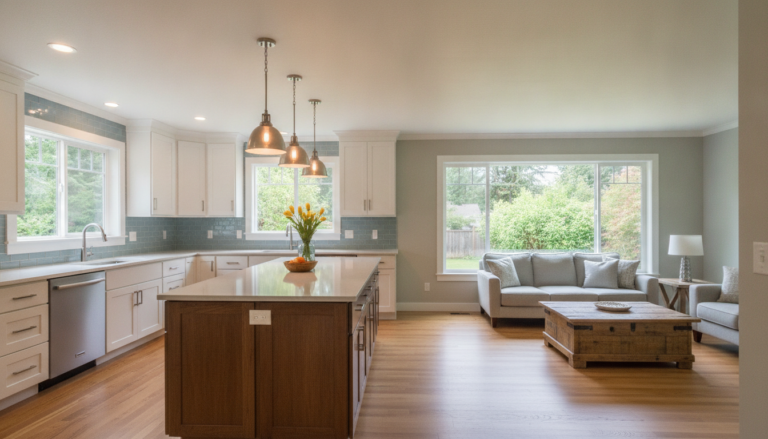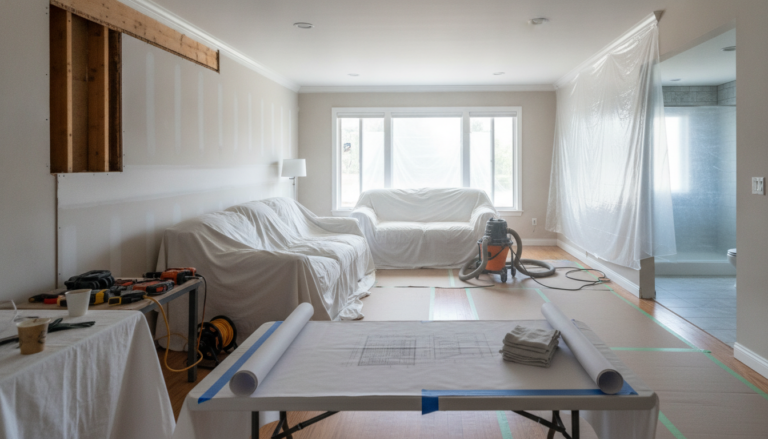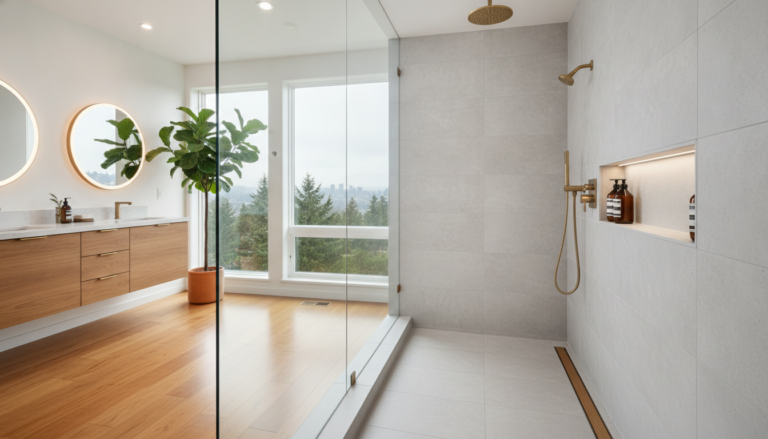
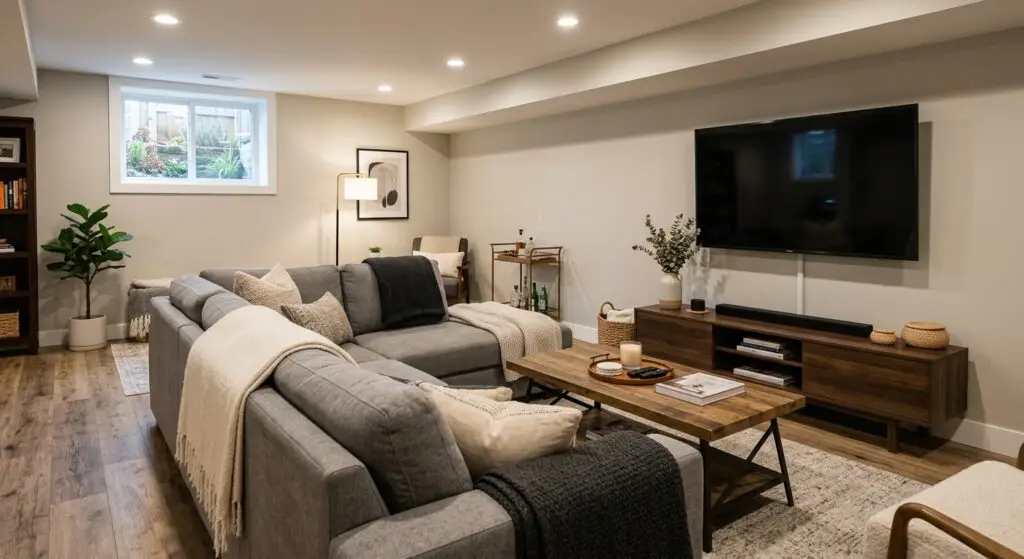
If you are wondering about the exact basement remodel cost in Seattle for 2026, the short answer is that most homeowners in King County spend between $45,000 and $120,000, depending on the overall scope of the project. A basic cosmetic finishing usually starts around $45,000, while a mid-range renovation that includes adding a new bathroom and a dedicated bedroom typically averages $75,000 to $90,000.
On the upper end of the spectrum, high-end conversions, such as fully permitted Accessory Dwelling Units (ADUs) or custom home theaters, frequently exceed $120,000. Understanding these specific local figures is absolutely crucial because national averages simply do not reflect Seattle’s unique labor rates, strict building codes, and necessary moisture mitigation requirements. In this comprehensive budget guide, we will break down exactly where your money goes, what factors drive up pricing, and how to effectively plan your investment to maximize both your daily lifestyle and your property’s future resale value in the Pacific Northwest.
Why National Averages Will Mislead Your Seattle Remodel Budget
When you begin researching your upcoming project, you will likely encounter national home improvement websites quoting finishing prices as low as $15,000 to $30,000. Relying on these generalized numbers for a Seattle property is a guaranteed path to frustration and financial strain. The Pacific Northwest operates on a completely different economic scale regarding construction materials, municipal fees, and skilled labor. Local contractors in King County carry higher insurance premiums, pay higher wages to retain top industry talent, and must navigate some of the most stringent zoning and environmental laws in the country.
Moreover, homes located in historic or established neighborhoods like Ballard, Queen Anne, or West Seattle often feature older foundations that were never initially designed for modern, subterranean living. Transforming these historically dark, damp storage areas into comfortable, climate-controlled living spaces requires highly specialized intervention. You cannot simply put up standard drywall and call it a finished room. Proper seismic retrofitting and the installation of advanced moisture barriers are standard necessities here. By understanding that the baseline basement remodel cost in Washington State is inherently higher than the national average, you can set realistic financial expectations from day one and avoid the stress of mid-project budget shortfalls.
Average Basement Remodel Costs in King County for 2026
To provide a clear and actionable picture of what you can expect to spend this year, it is highly helpful to categorize projects into three distinct tiers. Keep in mind that every single home is unique, and unexpected structural anomalies can easily shift a project’s budget from one tier to the next. The figures outlined below reflect current local labor rates, material inflation trends projected for 2026, and standard permit fees required by local municipalities across King County.
| Remodel Tier | Average Cost Range (Seattle) | Typical Inclusions |
|---|---|---|
| Basic Finishing | $45,000 – $65,000 | Framing, drywall, basic recessed lighting, simple flooring, painting. No plumbing included. |
| Mid-Range Remodel | $75,000 – $95,000 | Adding a 3/4 bathroom, egress window installation, separate bedroom/office, upgraded flooring. |
| High-End & ADU | $120,000 – $200,000+ | Full kitchen or kitchenette, custom built-ins, soundproofing, high-end fixtures, complete ADU conversion. |
These tiers demonstrate exactly how quickly your overall basement remodel cost can scale upward once you introduce complex trades like plumbing, structural alterations, and extensive electrical panel upgrades. Let us explore what each specific tier realistically covers in the current competitive Seattle market.
Basic Basement Finishing: Creating Simple, Usable Space
If your concrete foundation is already dry and you are fortunate enough to have adequate ceiling height, a basic finish is the most economical way to increase your home’s usable square footage. At this entry-level tier, the primary goal is to simply turn a raw, unfinished storage area into a clean, climate-controlled open room such as a children’s playroom, a home gym, or a casual family den. The vast bulk of your budget will go toward essential architectural elements rather than luxury finishes.
Typical work required at this stage includes installing perimeter stud walls, adding continuous rigid foam insulation to meet strict Washington State energy codes, hanging drywall, and upgrading the electrical panel to support an array of new LED recessed lights. Flooring choices at this tier usually consist of highly durable, moisture-resistant luxury vinyl plank (LVP) or mid-grade carpeting. Because you are not trenching the concrete slab for new plumbing lines, the construction timeline is significantly faster and the financial risk is much lower. Securing proper permits is still completely mandatory even for these basic aesthetic upgrades, ensuring your new living area is legally recognized and valued during a future home appraisal or sale.
Mid-Range Remodel: Adding a Bedroom, Bathroom, or Home Office
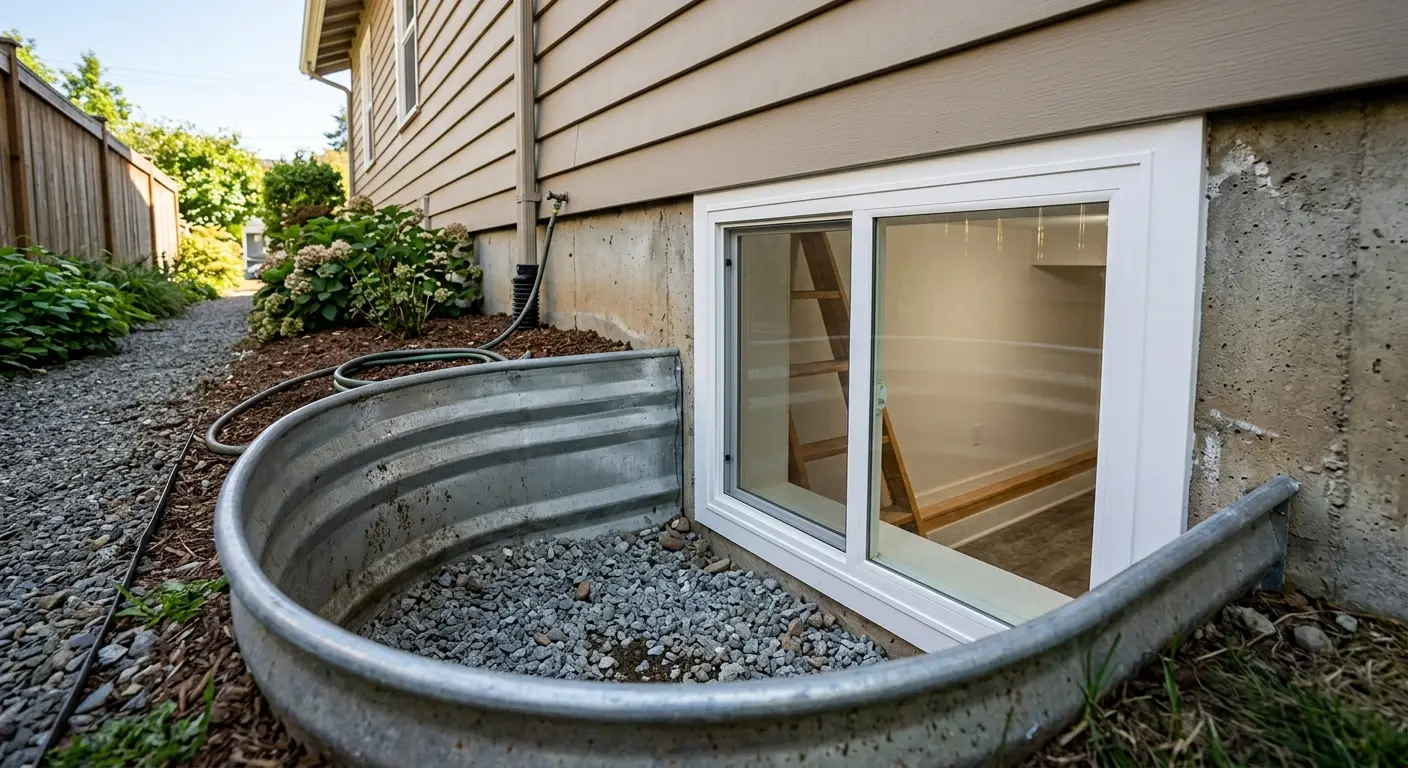
The mid-range tier is exactly where the vast majority of Seattle homeowners find themselves when planning a project. When you decide to partition the open space to add dedicated, purposeful rooms, the overall complexity of the architectural planning and physical labor increases dramatically. For instance, adding a bedroom in a subterranean space strictly requires the installation of an emergency egress window, which involves excavating the exterior perimeter dirt, cutting through the thick concrete foundation wall, and installing a specialized window well paired with an independent drainage system.
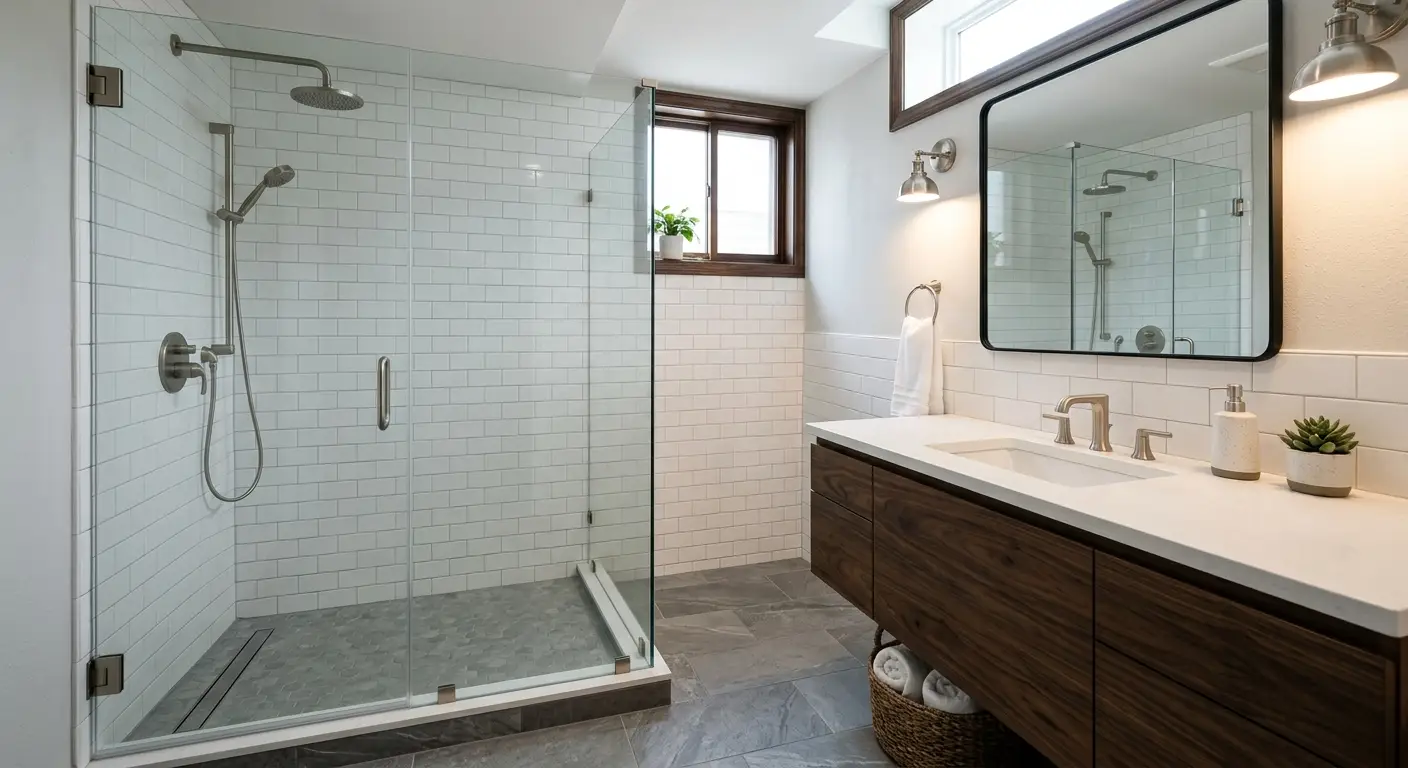
Furthermore, introducing a brand-new bathroom means your contractor must cut into the existing concrete slab to connect to the main sewer line. If your main sewer line sits physically higher than the new bathroom grade, you will additionally need to install a sewage ejector pump. These mechanical upgrades are critical but inherently costly. You will also see noticeably higher expenses in the finish materials at this tier, such as custom vanity cabinets, tiled walk-in showers, and upgraded interior doors. This level of investment dramatically transforms how your entire family interacts with the house, providing essential, much-needed privacy for teenagers, aging parents, or establishing a quiet, professional environment for remote work.
High-End Transformations: ADUs, Wet Bars, and Custom Theaters
At the highest end of the remodeling spectrum, homeowners are not just finishing a spare room; they are creating a luxurious, entirely self-contained living environment. In recent years, the city of Seattle has heavily incentivized the creation of Accessory Dwelling Units (ADUs) to combat housing shortages. Converting your lower level into a legal, fully rentable apartment is a phenomenal way to generate monthly passive income or house extended family independently, but the initial capital required to achieve this is substantial and will drive up your total basement remodel cost significantly.
High-end architectural projects often include full secondary kitchens outfitted with custom cabinetry, thick quartz countertops, and premium stainless steel appliances. You might also choose to incorporate specialized luxury features like a temperature-controlled wine cellar, a state-of-the-art acoustic home theater, or a built-in cedar sauna. The finishings at this level are uncompromisingly premium: heated bathroom floors, extensive multi-layered soundproofing between the floors, and integrated smart home automation. Navigating zoning regulations for an ADU requires meticulous architectural plans and a rigorous, multi-stage municipal inspection process, which is why working exclusively with a premium design-build firm is heavily recommended to prevent any costly compliance failures.
Key Factors That Drive Up Seattle Basement Renovation Costs
Beyond your personal choice of finishes, fixtures, and room layout, several underlying structural and geographical factors specific to the Pacific Northwest will heavily influence your final budget. It is absolutely vital to assess these elements during the initial walkthrough with your general contractor, as they represent the most common sources of unforeseen change orders once demolition actually begins.
- Foundation integrity: Cracks, extreme settling, or seismic vulnerabilities must be fully repaired and stabilized before any new framing begins.
- Material accessibility: Homes perched on steep hills or nestled on narrow streets require complex material delivery and waste removal logistics.
- Hazardous materials: Homes built before the 1980s frequently contain asbestos in old floor tiles or duct mastic, requiring expensive professional abatement.
- HVAC expansion: Integrating the new subterranean space into your existing heating and cooling system might require purchasing a larger furnace or installing an independent mini-split heat pump system.
Let’s dive much deeper into the three most significant regional cost drivers that affect almost every single remodeling project located within King County.
Seattle DCI Permitting and Building Codes
The Seattle Department of Construction and Inspections (SDCI) strictly enforces some of the most rigorous building, electrical, and energy codes in the United States. Obtaining the necessary municipal permits is not merely a frustrating bureaucratic formality; it is a significant financial line item in your overall basement remodel cost. For a comprehensive structural renovation, permit fees can easily range from $2,000 to $5,000, depending heavily on the projected valuation of the project and the sheer complexity of the architectural changes involved.
Additionally, Washington State’s modern energy code dictates extremely strict insulation values for exterior walls and ceilings. This often requires the mandatory use of closed-cell spray foam insulation or specific, highly engineered continuous rigid insulation assemblies, both of which are noticeably more expensive than traditional, basic fiberglass batts. Ensuring full compliance with interconnected smoke and carbon monoxide detector systems, as well as meeting modern electrical load requirements, guarantees the utmost safety for your family but undeniably adds to the upfront financial commitment required.
Pacific Northwest Waterproofing and Moisture Control
Seattle’s famous, near-constant rainfall is the absolute natural enemy of all subterranean living spaces. You simply cannot finish a below-grade room without absolute certainty that historical water intrusion has been permanently mitigated. If your foundation currently smells even slightly musty or shows signs of efflorescence (white, powdery chalk stains left on the concrete block), you must aggressively prioritize waterproofing before spending a single dollar on interior aesthetics.
Interior drainage systems, such as a continuous perimeter French drain seamlessly integrated with a high-capacity sump pump, are frequently required to handle seasonal groundwater surges. In particularly severe cases, massive exterior excavation is necessary to apply a heavy-duty waterproof membrane to the outside of the foundation walls and install brand-new perimeter footing drains. Addressing moisture control proactively protects your massive investment from catastrophic mold growth and completely ruined drywall down the line. Skipping this essential step to temporarily save money is a critical error that will almost certainly lead to expensive tear-outs after the very first heavy winter storm hits the region.
Egress Windows, Excavation, and Ceiling Height Requirements
Legally defining a room as a functioning bedroom requires providing two distinct methods of escape in the event of a fire or emergency. In a subterranean space, this strictly translates to installing a large egress window. The complex process involves digging out a massive window well immediately outside the home, utilizing heavy machinery to cut a square out of the thick concrete foundation wall, and finally installing a specialized, oversized window that explicitly meets strict code requirements for emergency personnel access. This single, labor-intensive task can easily add $5,000 to $10,000 to your expenses per window.
Another incredibly major hurdle commonly found in older Seattle craftsman homes is the frustrating lack of adequate vertical headroom. Building codes typically mandate a minimum ceiling height of 7 feet for any legally habitable spaces. If your current clearance is substantially lower due to low-hanging wooden joists or massive HVAC ductwork, you may face the daunting prospect of underpinning the entire foundation and physically lowering the concrete slab. Excavating tons of dirt out from underneath an existing, standing house is highly labor-intensive and structurally complex, instantly adding tens of thousands of dollars to the project’s scope.
Hidden Costs to Anticipate in Older Seattle Homes
When choosing to renovate vintage properties in historic, sought-after neighborhoods like Wallingford, Capitol Hill, or Phinney Ridge, the old walls often hide decades of poorly executed DIY repairs and drastically outdated technology. It is highly advisable and virtually mandatory to set aside a robust contingency fund of at least 15% to 20% of your total estimated budget to properly handle the unexpected discoveries that inevitably arise once the demolition phase begins.
Commonly encountered hidden expenses include safely replacing outdated, hazardous knob-and-tube electrical wiring, upgrading old galvanized steel plumbing pipes that are heavily corroded from the inside out, and dealing with unexpected water-induced rot in the structural sill plates. Sometimes, contractors will open up a load-bearing wall only to find that previous owners severely compromised essential structural posts, requiring immediate, costly intervention by a licensed structural engineer. Being financially prepared for these historical quirks ensures that the project momentum does not grind to an agonizing halt while you nervously scramble for additional funding.
A successful renovation is 80% thorough preparation and 20% skilled execution. Always prioritize the foundational structural health and safety of the home over premium surface finishes. You can always upgrade your carpet or paint color later, but you cannot easily retrofit a French drain system once the new walls are sealed and finished.
Return on Investment: Does a Finished Basement Add Value in WA?
Despite the intimidatingly high initial capital required, expanding your livable square footage downward remains one of the smartest and best financial decisions a homeowner can make in the highly competitive Puget Sound real estate market. On average, you can realistically expect a return on investment (ROI) of around 70% to 75% when it eventually comes time to list and sell your property. This makes it a far more lucrative endeavor than many other traditional remodeling options, easily justifying the overall basement remodel cost for most families.
Because the heavy foundational footprint and the overarching roof structure already exist, the total price per square foot to finish the lower level is significantly less than physically building a brand-new ground-level addition outward into your yard. Modern buyers in King County place a massive, undeniable premium on move-in-ready homes that actively offer flexible spaces for remote hybrid work, long-term guest accommodations, or expansive recreational areas. If you have strategically chosen to build a fully permitted ADU, the value proposition absolutely skyrockets, as prospective buyers will eagerly calculate the potential monthly rental income directly into their mortgage affordability metrics, often inciting fierce, highly profitable bidding wars.
Next Steps: How to Start Planning Your 2026 Basement Project
Embarking on a major home improvement project of this sheer magnitude can quickly feel overwhelming, but a systematic, step-by-step approach will keep you firmly grounded and in control. The very first actionable step is to accurately and honestly assess your current financial situation to define a hard, unyielding budget limit. Once you intimately know your absolute maximum spend, begin outlining a list separating your non-negotiable functional needs versus your aesthetic, nice-to-have desires.
Next, actively seek out multiple in-person consultations from fully licensed, bonded, and heavily insured design-build firms that explicitly specialize in complex lower-level conversions within the Seattle city limits. Ask to see robust portfolios of their previous work specifically involving challenging subterranean moisture control and massive egress window installations.
A reputable, trustworthy contractor will always provide a detailed, highly granular line-item estimate rather than a vague, single lump sum. Comparing detailed bids allows you to understand exactly what specific materials and hours of labor are included, seamlessly helping you spot the glaring difference between a lowball estimate that dangerously cuts corners and a realistic, honest quote that ensures high-quality, code-compliant craftsmanship. Taking the careful time to plan meticulously today will ultimately result in a beautiful, highly functional space that safely serves your family for decades to come.