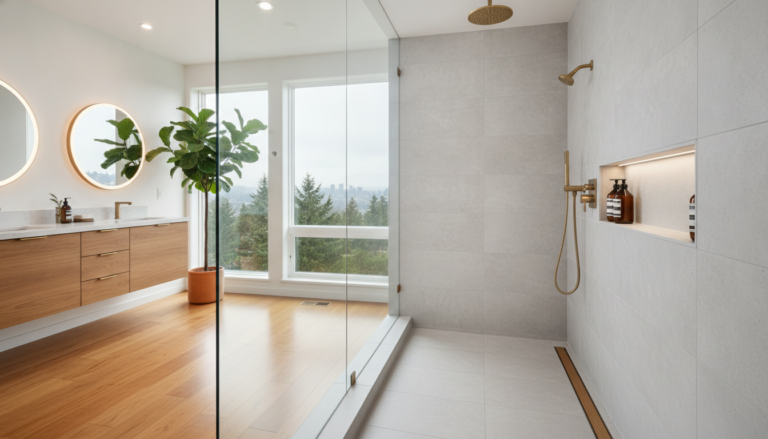
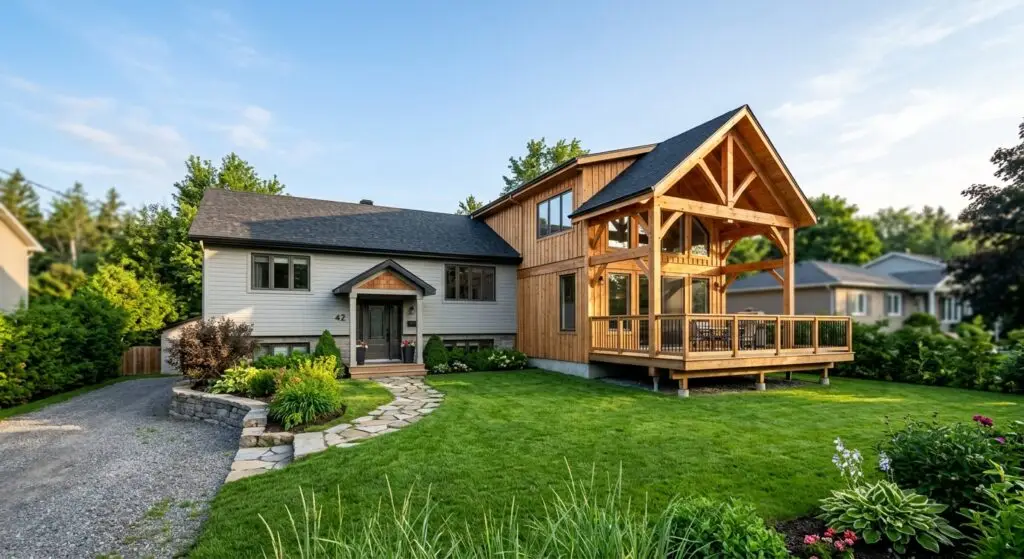
Planning a home addition in Newcastle or Maple Valley requires verifying local zoning laws, obtaining King County building permits, and developing an architectural design that seamlessly integrates with your home’s existing structure. The most popular solutions include lateral additions, second-story pop-ups, and structural bump-outs, which expand kitchen or master suite square footage without drastically altering the primary foundation.
Homeowners in Newcastle and Maple Valley often face space constraints as their families grow. With high real estate prices in the Greater Seattle Area, moving to a larger property is not always financially viable or desirable. Instead of packing up and leaving a neighborhood you love, adding on to your current house is an increasingly attractive and cost-effective alternative. However, the prospect of taking on a major construction project can feel incredibly daunting. Many homeowners delay their dreams of a larger kitchen, an extra bathroom, or a dedicated home office because they are intimidated by local municipal codes, permit confusion, and unpredictable costs.
This comprehensive guide is designed to address those major pain points head-on. Whether you are looking into expansive two-story extensions or modest structural bump-outs, understanding the foundational steps of the remodeling process is critical to your project’s success. As the premier local contractor, TQE is uniquely positioned to help you seamlessly navigate both the regulatory red tape and the physical construction of home additions Newcastle residents consistently trust. Let’s explore how you can maximize your property’s potential while keeping your budget and timeline on track.
Why a Home Addition is the Smart Choice for Newcastle & Maple Valley Homeowners
The Pacific Northwest real estate market is notoriously competitive, and communities like Newcastle and Maple Valley are highly sought after for their excellent schools, beautiful parks, and close proximity to major tech hubs. When your current house starts feeling cramped, your first instinct might be to browse real estate listings. However, once you factor in closing costs, agent commissions, moving expenses, and higher interest rates, upgrading to a larger home often comes with a staggering price tag.
Investing in home additions Newcastle properties can accommodate is fundamentally a smarter financial move. You retain your current mortgage rate while simultaneously increasing the usable square footage and overall market value of your property. Furthermore, an addition allows you to completely customize your new space to perfectly match your family’s unique lifestyle. You are not forced to compromise on a layout designed by someone else decades ago; instead, you get exactly what you want.
“Expanding an existing property rather than relocating often yields a higher return on investment, particularly in high-demand markets where neighborhood stability and customized design add immense intrinsic value to the homeowner.”
Beyond the financial benefits, staying put means you do not have to uproot your life. Your children can remain in their current school districts, and you can maintain the community ties you have spent years building. The core challenge lies in executing the project flawlessly, which is why partnering with a seasoned contractor like TQE is essential. Our team ensures that your new space feels like a natural continuation of your existing home, rather than an awkward afterthought tacked onto the side.
Understanding Local Zoning Laws and Building Permits in King County
One of the biggest hurdles homeowners face when planning a major renovation is the bureaucratic maze of local zoning laws. In King County, strict regulations govern how much of your land can be built upon and how close to your property lines you can build. Ignoring these regulations can result in heavy fines, forced demolitions, and severe delays. It is vital to approach the planning phase with a clear understanding of the municipal code.
Every parcel of land in Newcastle and Maple Valley has specific zoning designations that dictate maximum lot coverage and impervious surface limits. These rules are particularly strict in the Pacific Northwest to manage stormwater runoff and protect local ecosystems. Before any concrete is poured or lumber is ordered, you must determine exactly how much space you are legally allowed to occupy on your lot.
Navigating Setbacks, Red Tape, and Permit Confusion
Property line setbacks are another critical factor. Setbacks mandate the minimum distance between your new structure and your property boundaries, including the street, side yards, and rear property lines. Trying to decipher these codes on your own often leads to immense frustration. This is where professional contractors provide undeniable value.
To successfully navigate the permitting phase, an experienced builder will typically follow these crucial steps:
- Conduct a site survey: A professional land survey precisely maps your property lines and identifies any easements or utility lines that could obstruct construction.
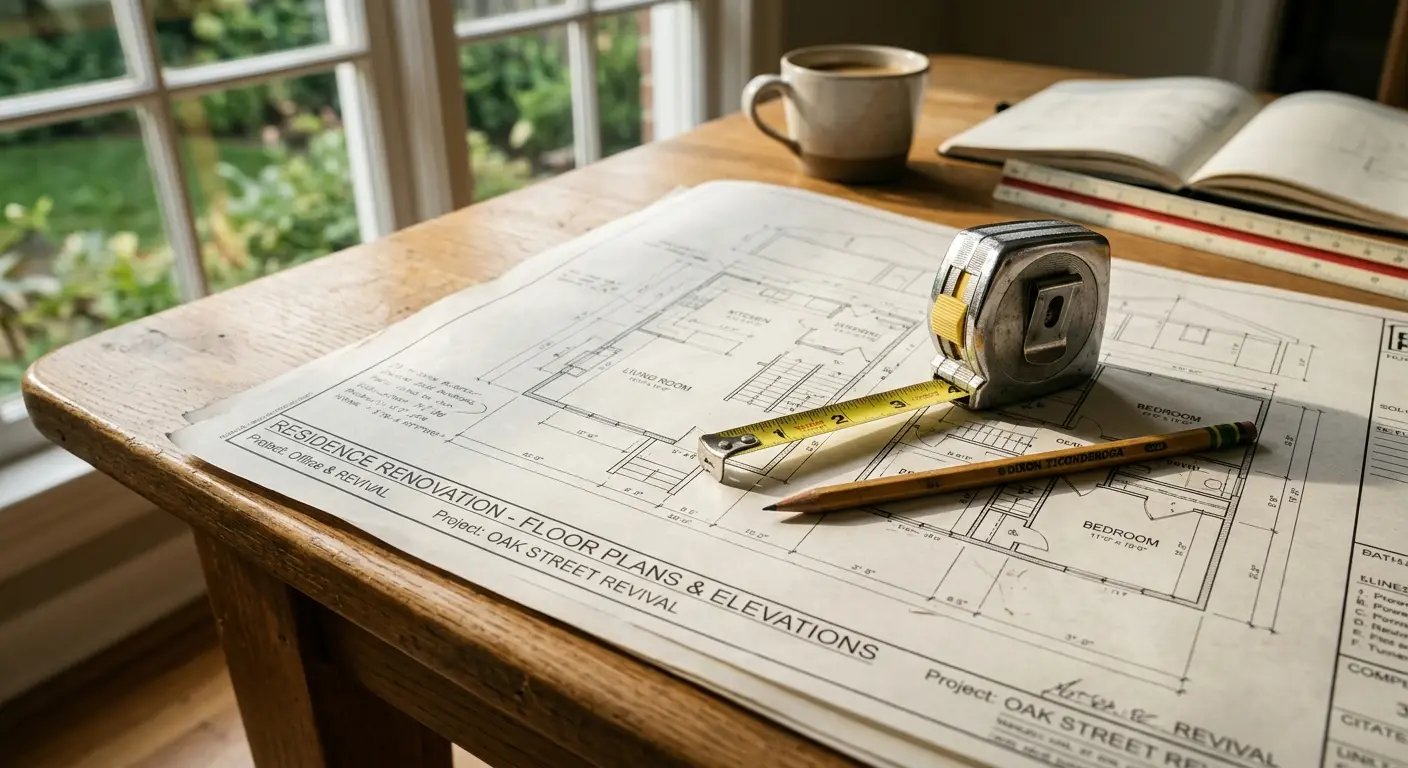
- Draft compliant architectural plans: Designers create blueprints that explicitly respect lot coverage limits and community design guidelines.
- Submit to the municipal planning department: Comprehensive plans are submitted for structural, electrical, and plumbing review to secure the necessary King County building permits.
- Manage inspections: Throughout the build, municipal inspectors must sign off on various stages of the work to ensure everything meets safety codes.
Handling this red tape requires patience and expertise. By allowing TQE to manage the regulatory aspects of home additions Newcastle residents avoid the stress of permit confusion and can focus on the exciting design elements of their new space.
Popular Home Addition Types for Growing Families
Once you have established what is legally possible on your property, the next step is determining which type of addition best suits your needs and budget. Not all expansions are created equal. Depending on your lot size, existing architecture, and specific goals, your contractor will recommend a tailored approach.
Lateral Additions and Structural Bump-Outs
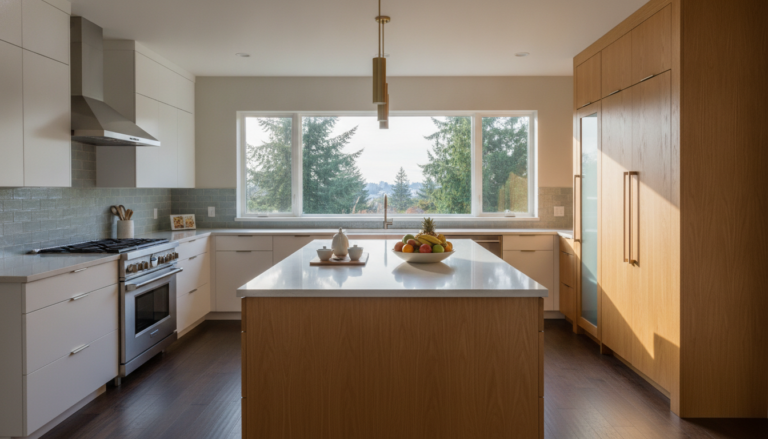
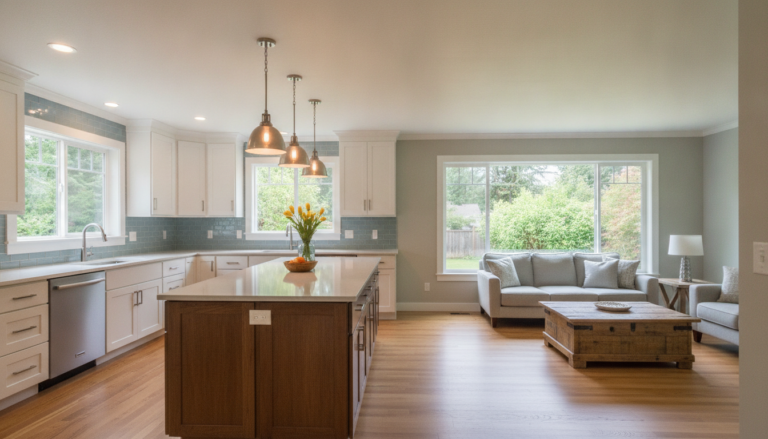
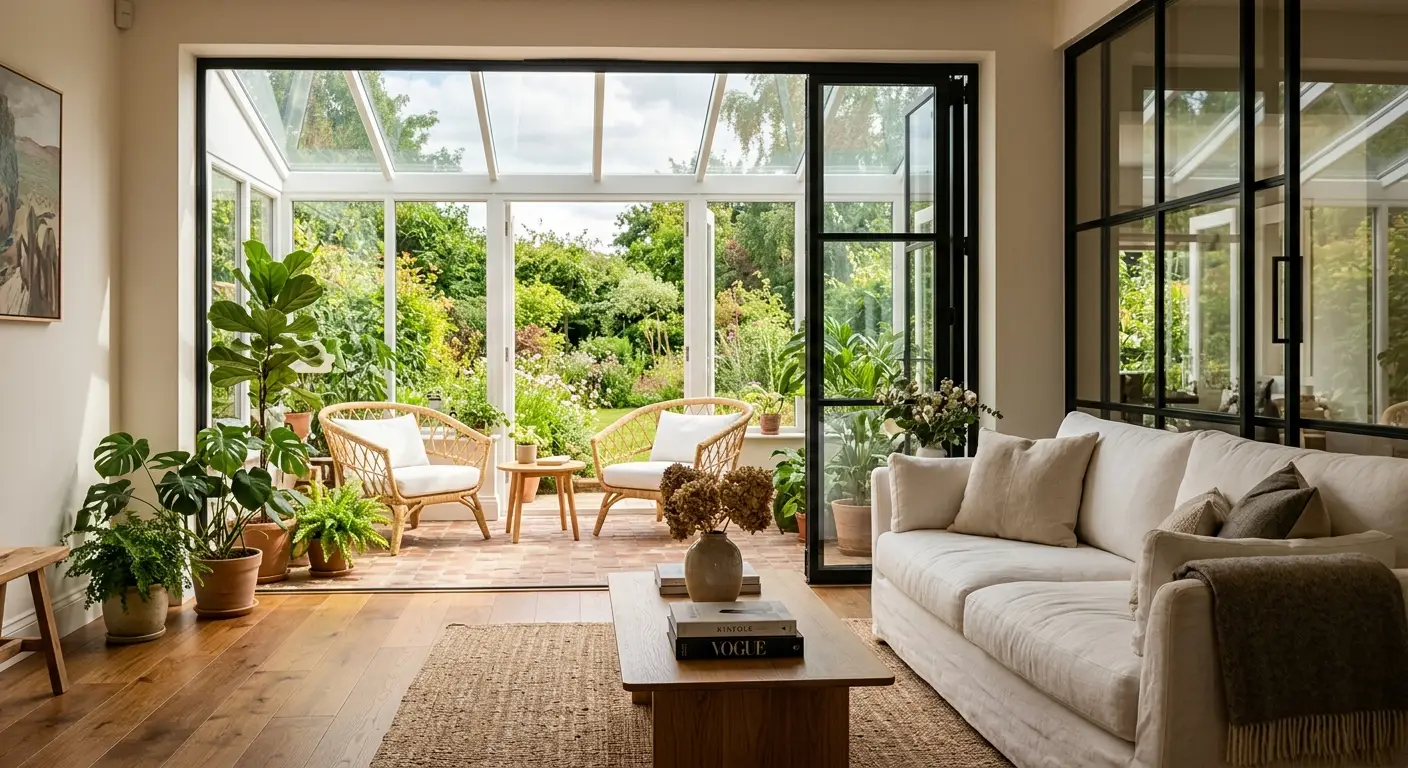
If you have ample yard space, a lateral addition is often the most straightforward way to gain square footage. This involves expanding the footprint of your house outward into your side or rear yard. Lateral expansions are ideal for creating spacious open-concept kitchens, adding a luxurious ground-floor master suite, or building an attached sunroom.
A smaller variation of this is the structural bump-out. A bump-out might only add 50 to 100 square feet, extending a single room by a few feet. It is an incredibly effective strategy for adding a kitchen island, a walk-in closet, or a larger bathtub without the expense of pouring a massive new foundation. Because bump-outs require less groundwork, they are generally faster to complete while still providing a dramatic improvement to the room’s functionality.
Second-Story Pop-Ups
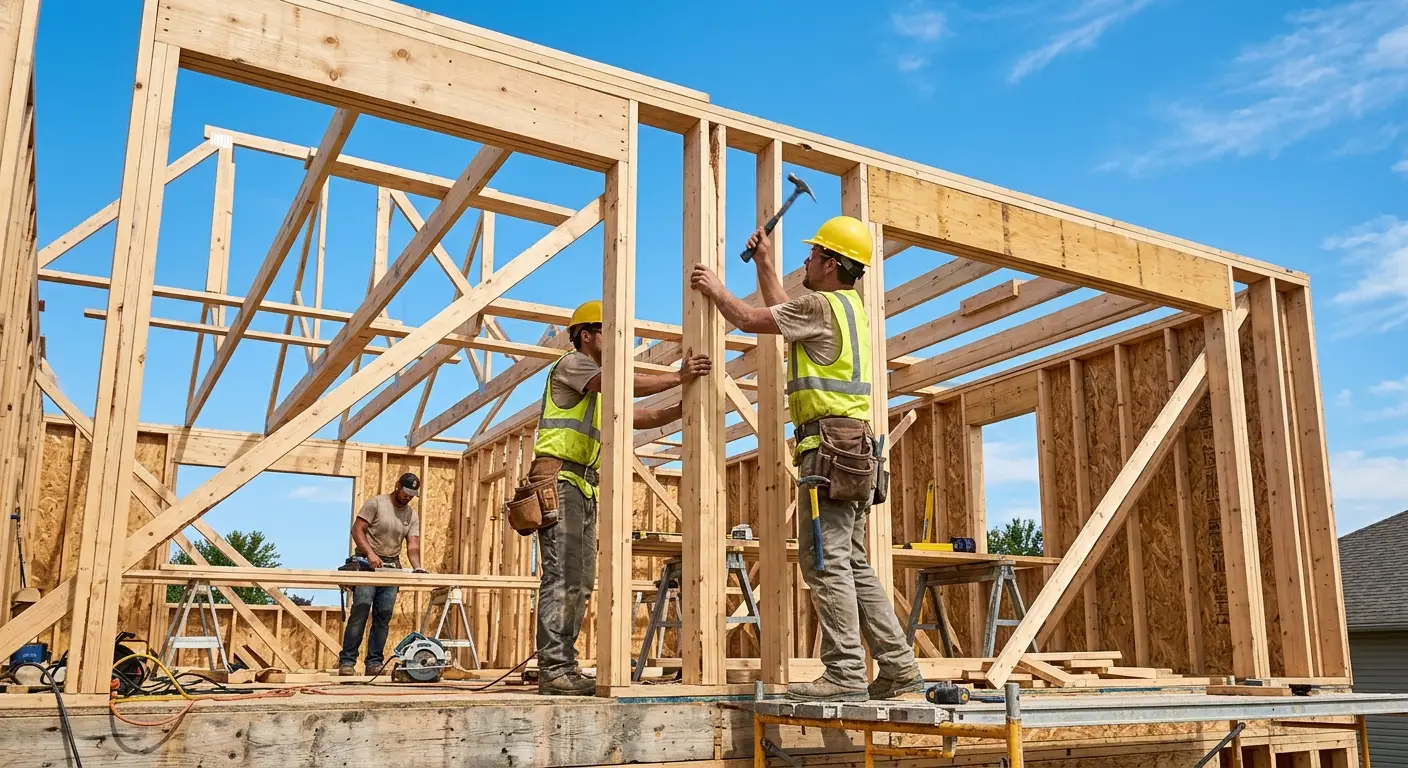
For homeowners with small lots who have maxed out their lot coverage, building upward is the only viable solution. A second-story pop-up involves removing the existing roof and adding a whole new level to the home. This type of project is perfect for adding multiple bedrooms and bathrooms, effectively doubling your living space without sacrificing a single blade of grass in your backyard.
However, going up requires a different level of engineering. You must evaluate the existing foundation to ensure it can bear the immense weight of an entire second story. Often, the foundational walls and ground-floor framing must be retrofitted and reinforced before the upper level can be added. Below is a quick comparison to help you weigh your options.
| Feature | Lateral Addition / Bump-Out | Second-Story Pop-Up |
|---|---|---|
| Space Required | Requires available yard space and compliance with setbacks. | Requires no extra yard space; ideal for small lots. |
| Foundation Work | Requires pouring a new foundation or footings. | Requires reinforcing the existing foundation and walls. |
| Disruption Level | Moderate; mostly isolated to the exterior and one side of the house. | High; involves roof removal and potential relocation during framing. |
| Best Used For | Kitchen expansions, sunrooms, ground-floor master suites. | Adding multiple bedrooms, upper-level bathrooms, or a home theater. |
Whether you choose to build out or build up, integrating the new roofline, siding, and flooring with the existing structure is the hallmark of high-quality home additions Newcastle homeowners expect from top-tier builders.
Budgeting for Your Project: Home Addition Costs in the Greater Seattle Area
Understanding the financial commitment is arguably the most stressful part of planning an expansion. Many homeowners enter the process with unrealistic expectations based on outdated information or national averages that do not reflect the premium costs of the Greater Seattle market. Budgeting accurately requires a realistic look at material costs, labor rates, and hidden expenses.
In this region, a standard room addition typically ranges between $250 and $400 per square foot. However, this is just a baseline. The final price is heavily influenced by the function of the room. A basic living room or bedroom expansion sits at the lower end of that spectrum because it primarily involves framing, drywall, and standard electrical work. In contrast, expanding a kitchen or bathroom dramatically increases the cost per square foot due to the need for intricate plumbing, customized cabinetry, heavy-duty ventilation, and premium finishes like quartz countertops or ceramic tiling.
To protect yourself against unexpected surprises, you must establish a contingency budget of at least 15 to 20 percent of the total project cost. Once walls are opened or the earth is excavated, contractors occasionally uncover pre-existing issues such as outdated wiring, hidden water damage, or poor soil conditions that must be addressed to meet current building codes. By having a financial buffer, you ensure that these necessary corrections do not completely derail your project.
Frequently Asked Questions (FAQ)
As you prepare for your upcoming renovation, you likely have several specific questions about the process. Here are some of the most common inquiries we receive from homeowners in the Greater Seattle Area.
What are the lot coverage limits for a home addition in Maple Valley?
Lot coverage limits and minimum property line setbacks vary based on your specific neighborhood’s zoning code. Our experts help you assess your property’s footprint to ensure full compliance before the design phase even begins. This proactive approach prevents costly redesigns and guarantees that your project aligns perfectly with local municipal requirements.
How much does a room addition or bump-out cost in the Greater Seattle Area?
Costs depend heavily on the level of finish, plumbing requirements, and necessary foundation work. On average, standard room additions in this region typically range between $250 and $400 per square foot. Highly specialized spaces like bathrooms or custom kitchens will naturally push towards the higher end of that range due to the complexity of the installations.
Can I stay in my house during a home addition project?
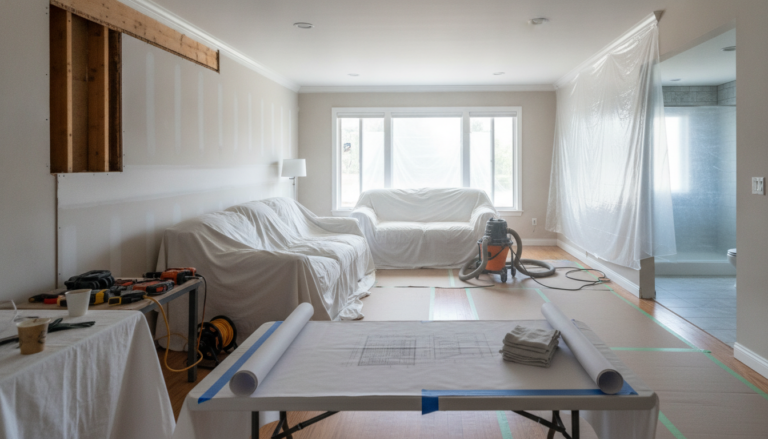
In most cases, yes, provided the work doesn’t disrupt major utilities for the entire house. Professional remodeling crews install temporary structural walls and heavy-duty dust barriers to minimize disruption to your daily life. However, for massive projects like a full second-story pop-up, we may advise securing temporary lodging for a short period during the most intensive phases of structural framing.
Conclusion: Start Planning Your Dream Expansion Today
Outgrowing your house does not mean you have to leave the neighborhood you love. By investing in a well-planned expansion, you can transform your current residence into your forever home. Navigating the complexities of zoning laws, permits, and construction requires a strategic approach, but the reward of a custom-tailored, spacious living environment is well worth the effort. Whether you are envisioning a minor structural bump-out to create a gourmet kitchen or a massive second-story addition to accommodate a growing family, meticulous planning is the key to a stress-free build.