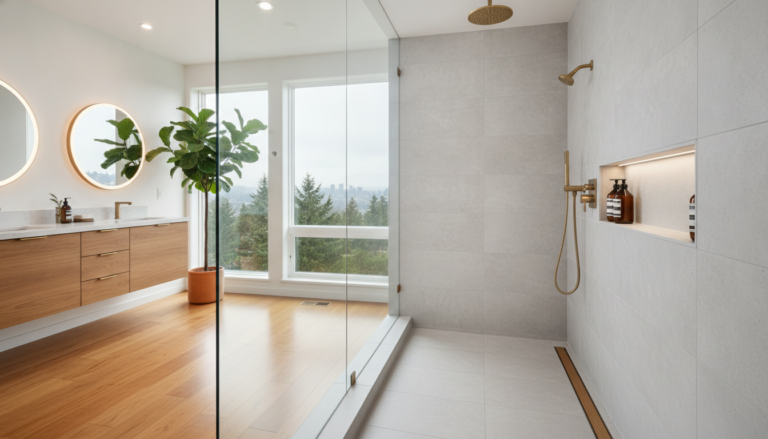
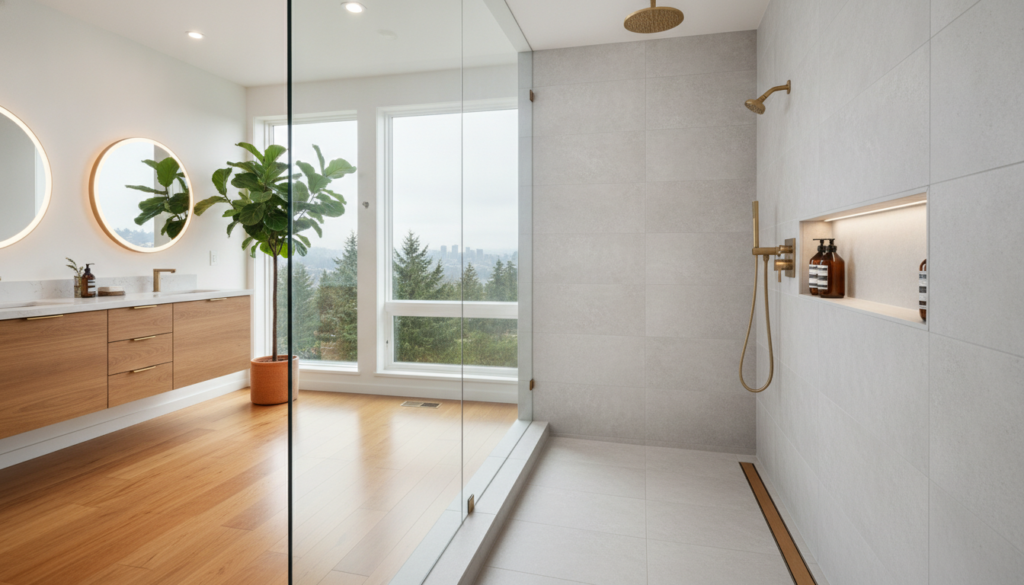
Planning a modern bathroom remodel in the Pacific Northwest and wondering about the total curbless shower cost in Seattle for 2026? On average, homeowners in the Emerald City spend between $8,500 and $22,000 to convert a traditional tub or stepped enclosure into a seamless, walk-in curbless shower. This comprehensive guide breaks down actual local installation pricing, labor rates, waterproofing requirements, and high-end design ideas tailored specifically for Seattle homes.
Curbless showers—also known as zero-threshold or barrier-free showers—have officially transitioned from a niche luxury to a staple of contemporary Pacific Northwest design. By eliminating the bottom step or curb, these designs create an uninterrupted flow of floor tile, making small bathrooms feel significantly larger while providing effortless accessibility for aging-in-place family members. However, engineering a shower floor that sits completely flush with the surrounding bathroom floor requires precise structural adjustments, advanced waterproofing, and skilled tradespeople—factors that heavily influence local project budgets.
Average Curbless Shower Installation Cost in Seattle (2026 Breakdown)
Because Seattle features a unique mix of mid-century Craftsman bungalows, classic Victorian homes, and dense modern townhomes, remodeling costs vary widely based on your home’s underlying structure. Local labor rates for specialized tile setters and licensed plumbers remain among the highest in the nation, reflecting the technical skill required to execute a leak-free zero-threshold system.
| Project Scope | Average Cost Range (Seattle Metro) | Key Features Included |
|---|---|---|
| Standard Conversion | $8,500 – $12,500 | Pre-formed sloped pan, basic ceramic tile, surface-applied membrane, standard fixture updates. |
| Mid-Range Custom Build | $12,500 – $18,000 | Subfloor recessing, porcelain or natural stone tile, linear drain, frameless glass panel, recessed niche. |
| High-End Luxury Spa | $18,000 – $28,000+ | Structural joist modification, large-format slab tiles, heated bench, dual rain heads, steam system integration. |
When calculating your total investment for a barrier-free shower in Seattle, remember that structural prep work and specialized waterproofing account for nearly 40% to 50% of the overall budget before decorative surface tiles are even installed.
Key Factors Influencing the Cost of a Curbless Shower in Seattle
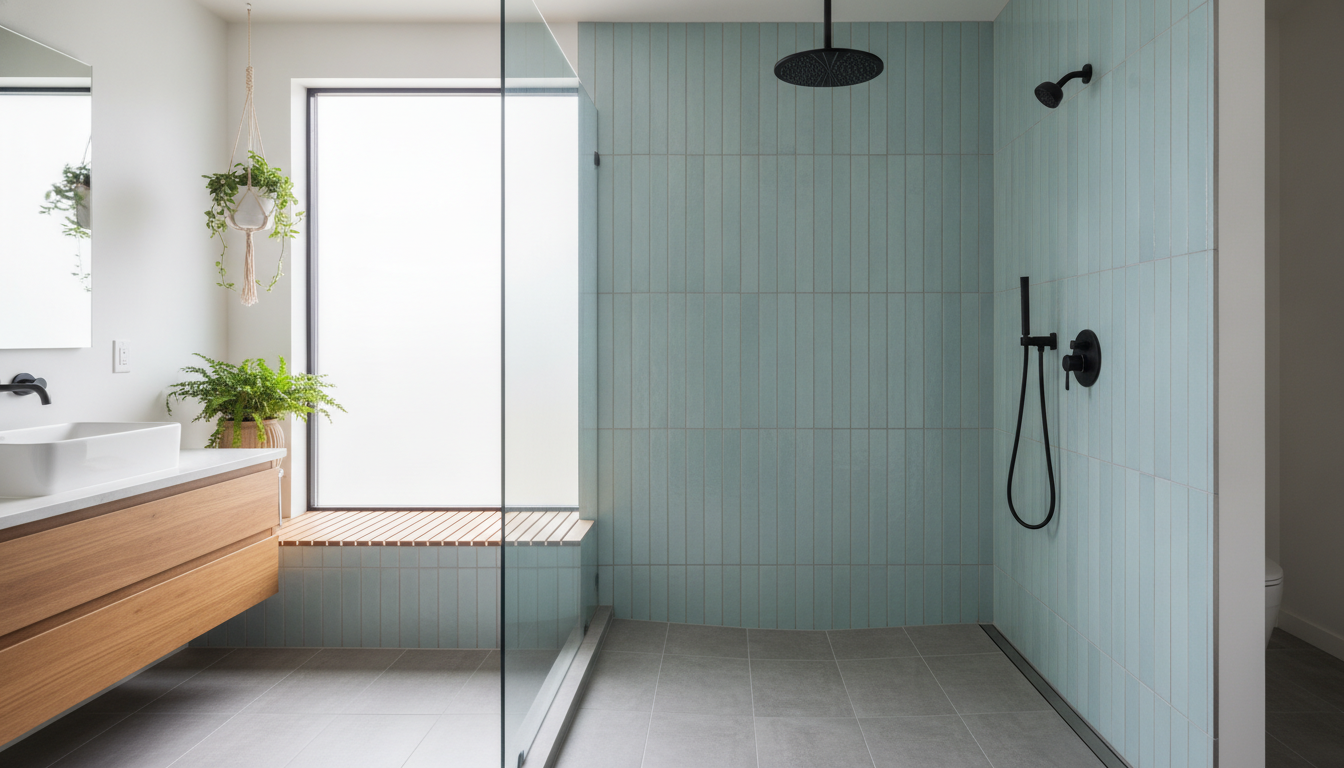
Why does a zero-threshold shower cost more than a traditional step-in shower enclosure? The secret lies entirely beneath the tile. In a standard shower, the curb acts as a dam to contain water. Without that barrier, the entire shower floor must be lowered or pitched accurately toward the drain to prevent water from migrating across the rest of the bathroom.
1. Subfloor Modification and Framing Adjustments
To achieve a flush transition, contractor crews must modify the structural floor joists beneath the shower zone. In wood-framed homes common across neighborhood areas like Ballard, Capitol Hill, and Queen Anne, this usually involves lowering the subfloor by cutting into existing joists and sistering them with new lumber, or installing a low-profile prefabricated shower tray. If your bathroom sits on a concrete slab—frequent in contemporary South Lake Union or West Seattle modern builds—concrete chipping or floor raising across the entire room is required, which adds substantially to structural prep expenses.
2. Waterproofing and Moisture Control (PNW Standards)
Given the damp climate of the Pacific Northwest, moisture control is non-negotiable. Building codes require extensive waterproofing that often extends beyond the immediate shower footprint. A proper barrier-free installation incorporates a continuous, tanked waterproofing membrane (such as Schluter-KERDI or Hydro Ban) that runs continuously from the shower walls, across the sloped floor, and extends at least 2 to 3 feet out into the main bathroom drying zone. Investing in top-tier moisture protection prevents hidden subfloor rot, toxic mold growth, and costly structural insurance claims down the road.
3. Plumbing Layout and Linear Drain Technology
Drain selection plays a huge role in overall project pricing:
- Center Point Drains: Require the floor to slope inward from all four directions (bowl effect). This necessitates smaller tiles, such as mosaics, to accommodate the multi-directional pitch, increasing tile labor time.
- Linear Drains: Installed flush against one wall, allowing the floor to slope uniformly in a single direction. This allows the use of stunning, large-format floor tiles that match the rest of the bathroom, though high-quality stainless steel linear drain channels themselves add $400 to $1,200 in material costs.
4. Seattle Permitting and Trade Labor Rates
Plumbing and structural modifications require formal trade permits from the Seattle Department of Construction and Inspections (SDCI). Plumbing sub-contractors and certified tile setters in King County command hourly rates between $95 and $160 per hour. Working with licensed, insured contractors guarantees that your structural modifications meet earthquake and building safety codes.
Design Ideas for Seattle Barrier-Free Showers
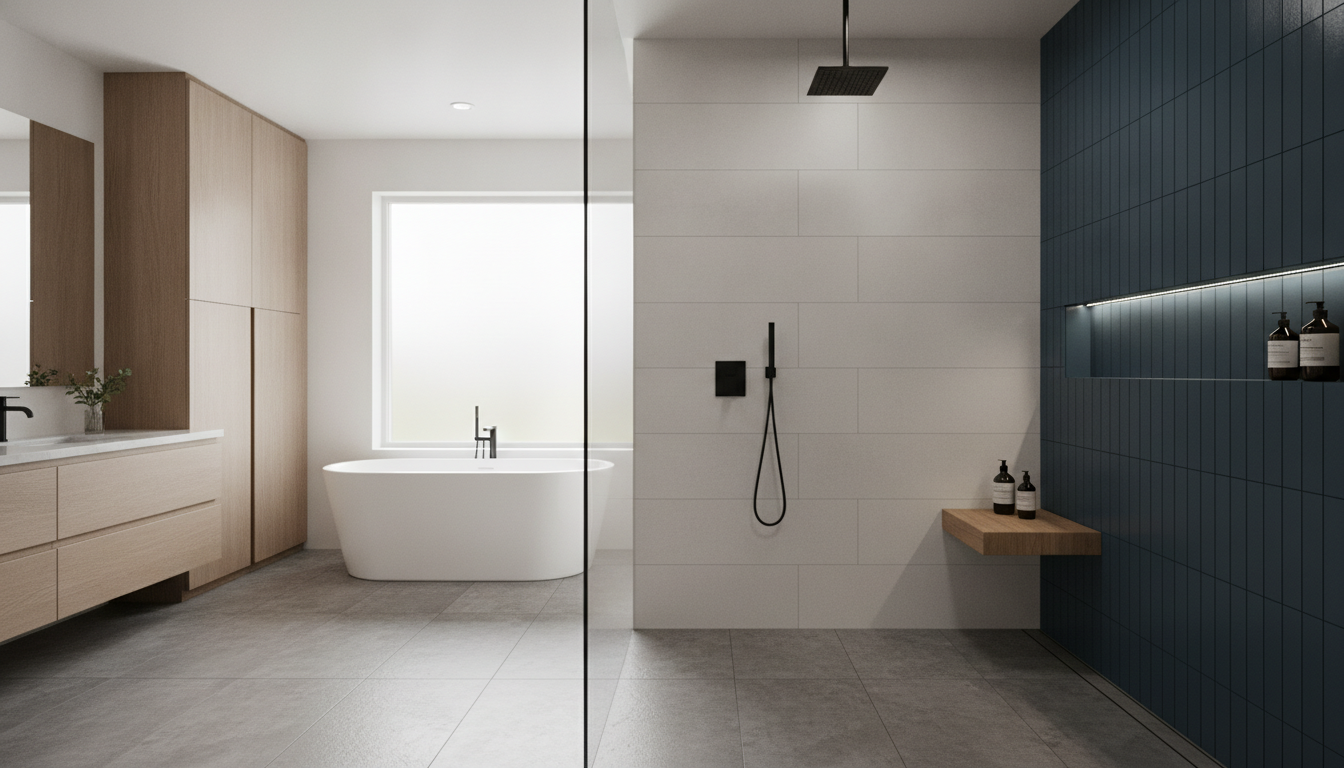
Creating a beautiful walk-in shower isn’t just about utility; it is about turning your daily bathroom routine into a calming spa experience. Here are top design trends sweeping Seattle homes in 2026 that combine Pacific Northwest aesthetics with clever engineering.
Continuous Tile Flooring for Small Space Amplification
In compact master suites or powder room upgrades, run the same large-format porcelain tile seamlessly from the vanity area straight into the shower stall. Eliminating visual lines tricks the eye into perceiving a much larger room. Matte-finish ceramic or textured porcelain tile provides essential slip resistance without sacrificing sleek style.
Frameless Fixed Glass Panels
Ditch heavy hinged doors and tracks that trap soap scum. A single, custom-cut piece of clear, frameless glass anchored to the wall allows light to bounce around the room while containing spray. For open-concept wet rooms, some homeowners skip glass entirely, opting for wide, open entryways paired with radiant floor heating to dry rogue water droplets quickly.
Biophilic Finishes and Natural PNW Tones
Reflect the breathtaking natural beauty of Washington State by combining organic textures:
- Warm Cedar & Teak Accents: Integrated floating teak benches or moisture-sealed wood-look tile accents.
- Earth-Tone Micro-Cement or Slate: Rich charcoal, forest moss greens, and warm oat hues that pair beautifully with matte black or brushed bronze plumbing fixtures.
- Recessed Niche Lighting: Waterproof LED strip lights integrated inside custom wall niches highlight handmade Zellige subway tiles.
Is a Curbless Shower Right for Your Seattle Home?
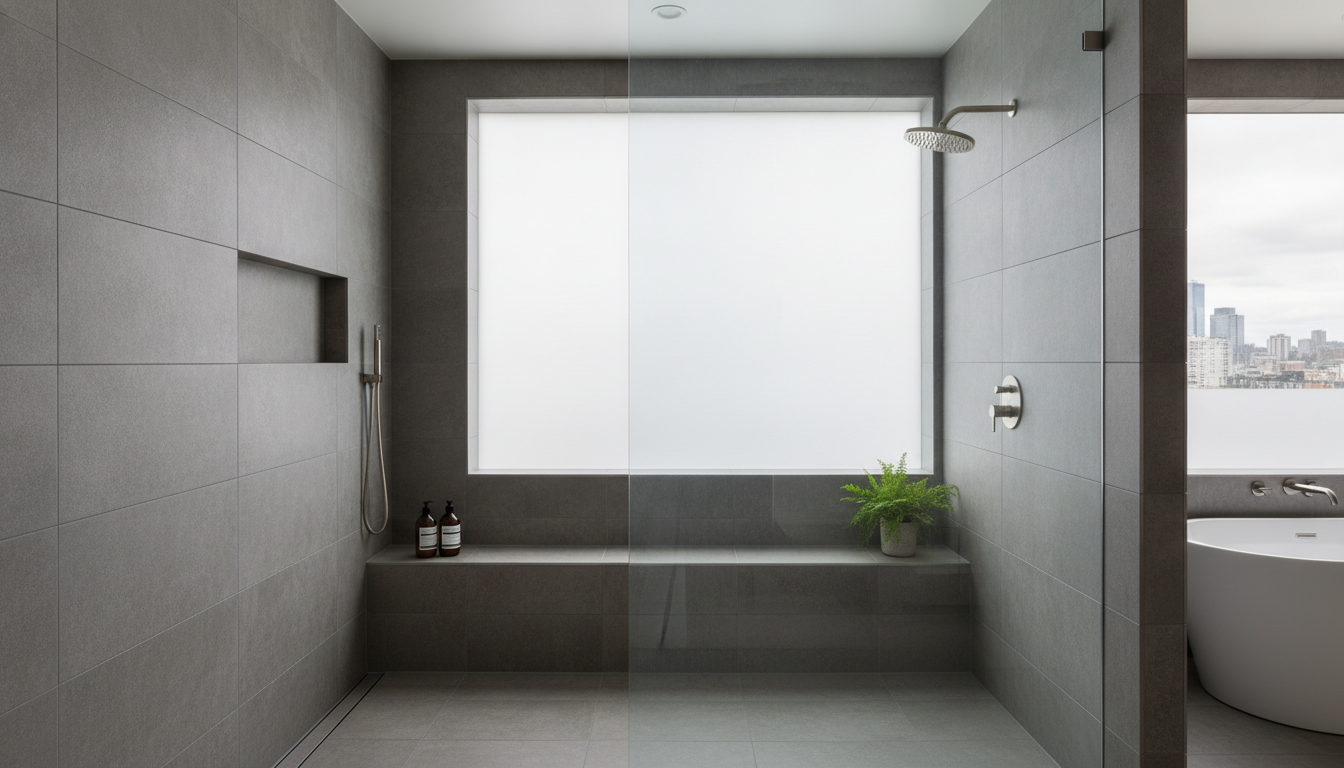
Before pulling permits and breaking ground on your bathroom remodel, consider how a zero-threshold design aligns with your long-term living plans and home equity goals.
The Benefits
- Universal Accessibility: Provides safe, step-free access for children, older adults, and individuals with temporary or permanent mobility challenges.
- Effortless Cleaning: Fewer corners, tracks, and curbs mean drastically fewer places for grime, mildew, and hard water minerals to collect.
- Higher Resale Value: Modern homebuyers consistently prioritize updated, spa-like master bathrooms with high-end architectural details.
Potential Drawbacks to Plan For
- Higher Initial Investment: Framing modifications and extensive tanking make these systems roughly 20% to 35% more expensive than standard framed showers.
- Draftier Shower Experience: Open-concept glass partitions allow warm air to escape faster. Installing a dedicated ceiling heat lamp or heated floor cables inside the shower zone easily solves this issue.
How to Save Money on Your Seattle Walk-In Shower Remodel
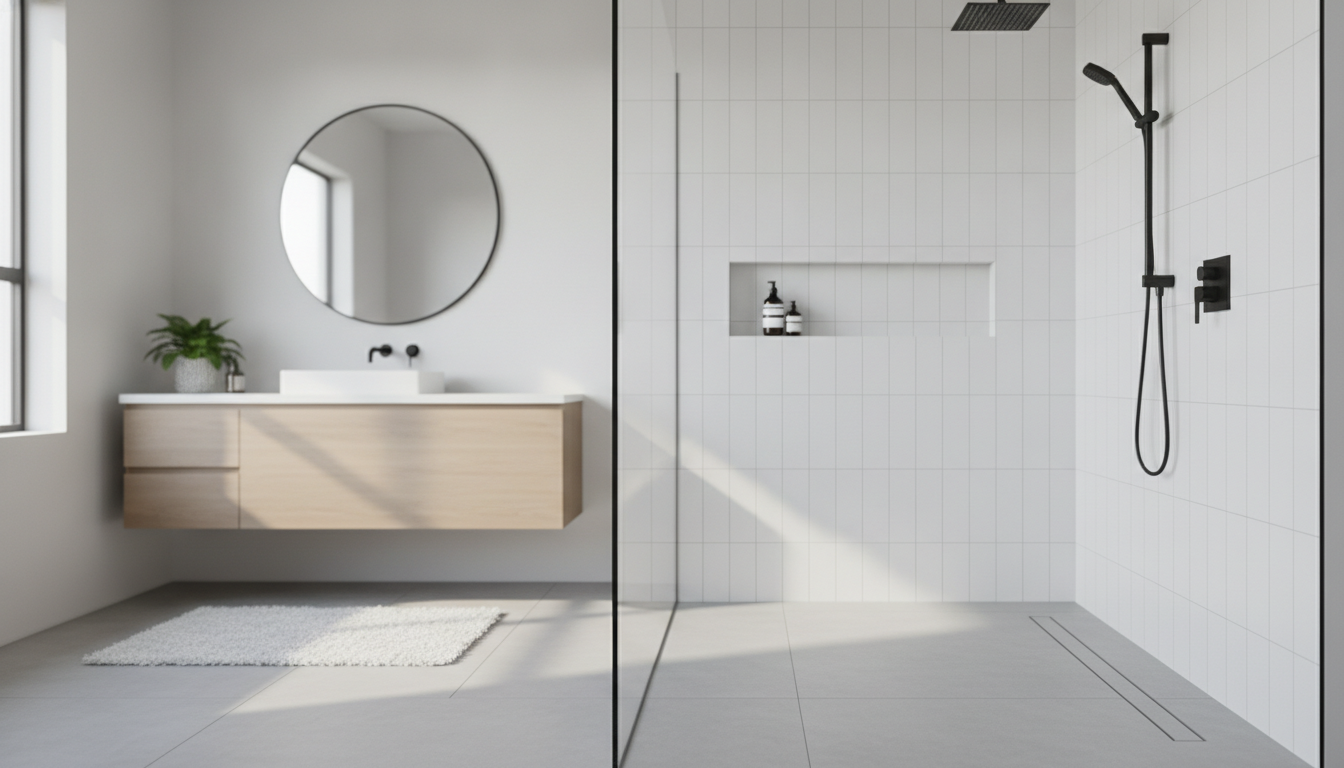
If you want to install a sleek, barrier-free enclosure while keeping your budget under control, consider these actionable planning strategies:
- Keep the Plumbing Stack in Place: Avoid moving supply pipes and main drain lines across the room. Relocating main waste stacks through joists can add $2,500+ in mechanical labor costs.
- Utilize Prefabricated Structural Trays: Instead of hand-pouring a custom mortar bed over lowered joists, ask your tile contractor about low-profile composite structural trays designed specifically for curbless conversions.
- Choose Large Porcelain Tiles Over Natural Stone: Premium porcelain mimics marble or slate beautifully at a fraction of the raw material cost, and it requires zero ongoing chemical sealing to fight moisture absorption.
Choosing the Right Seattle Bathroom Remodeling Contractor
Executing a structural floor drop and complex waterproofing system requires specialized expertise. A general handy worker or inexperienced installer may miss crucial drainage slopes or fail to seal subfloor seams correctly, leading to hidden timber rot in your home’s structural framing.
When evaluating local contractors, always ask for:
- Proof of active WA State Contractor Registration, bonding, and liability insurance.
- Portfolios showcasing completed zero-threshold and wet-room bathroom conversions.
- Specific details on the brand and method of waterproofing system they intend to install.
- Written warranties covering both waterproofing membrane integrity and tile labor performance.
Final Thoughts on Planning Your Curbless Shower Budget
Upgrading your bathroom with a barrier-free shower is one of the most rewarding home improvement projects you can undertake in 2026. While the upfront investment is higher due to essential framing, subfloor lowering, and rigorous waterproofing, the resulting spatial elegance, safety, and long-term home value make it a standout choice for Seattle homeowners. By carefully evaluating material options, preserving your existing plumbing layout, and partnering with experienced local tile professionals, you can design a stunning, functional sanctuary built to withstand the Pacific Northwest climate for decades to come.
Frequently Asked Questions
What is the average curbless shower cost in Seattle in 2026?
In 2026, the average cost to install a curbless shower in Seattle ranges from $12,000 to $25,000, depending on the scope of work. Factors such as waterproofing, tile selection, structural floor adjustments, and local labor rates significantly influence the final price.
Why are curbless shower installations more expensive than traditional showers?
Curbless showers require specialized installation techniques, including lowering the floor joists or slope creation to ensure proper drainage without a barrier. Advanced waterproofing systems and custom glass installation also contribute to higher labor and material costs.
Can you install a curbless shower in a small Seattle bathroom?
Yes, curbless showers are an excellent choice for small Seattle bathrooms because the continuous flooring creates an illusion of a larger, seamless space. Utilizing linear drains and glass partitions helps maximize usable space while maintaining effective water containment.
Does adding a curbless shower increase home value in the Seattle area?
Installing a curbless shower often increases home value by appealing to buyers looking for modern design and universal accessibility. Modern curbless showers are a highly sought-after feature in luxury bathroom remodels across Seattle.
How long does it take to complete a curbless shower installation?
A typical curbless shower installation in Seattle takes between 2 to 3 weeks to complete. This timeline includes structural prep work, plumbing updates, waterproofing, tiling, and glass panel installation.