

Navigating a major home renovation can feel like a full-time job filled with unexpected decisions, noise, and temporary chaos. When homeowners invest significant time and capital into transforming their living space, the line between a stressful experience and a successful project almost always comes down to the quality of the contractor. Beyond technical skill and building codes, outstanding client care transforms the entire remodeling journey. Below, we explore great service examples from top-tier contractors that demonstrate What true professionalism looks like during a large-scale renovation.
What Defines Exceptional Service in Residential Remodeling?
Every major renovation project—whether it is an expansive kitchen overhaul, a second-story addition, or a complete historic restoration—relies on a foundation of trust. High-end craft alone is rarely enough to satisfy a homeowner if communication breaks down or the job site remains a mess for months. Professional contractors who consistently earn top reviews and repeat referrals understand that managing the customer experience is just as vital as installing structural beams or laying custom tile work.
Superior customer care in the trades is characterized by proactive communication, meticulous site management, structural transparency, and genuine empathy for the homeowner’s daily life. When contractors treat a residence with the same respect as a living family home rather than just an active construction site, the entire dynamic changes. Recognizing these standard-setting behaviors helps homeowners identify the right partner for their upcoming projects.
5 Real-World Examples of Great Contractor Service

1. Proactive, Multi-Channel Communication Plans
One of the most frequent complaints in the remodeling industry is a lack of communication once the contract is signed. Premium contractors reverse this trend by establishing a structured communication plan before demolition even begins. Instead of leaving homeowners guessing about who will show up on a Tuesday morning, proactive teams set clear expectations through daily build logs, digital client portals, and scheduled weekly check-ins.
Consider a project in the Pacific Northwest where a client renovated a mid-century modern home while remaining in the basement suite. The lead contractor implemented a short, daily 8:00 AM briefing via a messaging app, outlining which sub-contractors would be on-site that day, What heavy equipment or noisy power tools would be running, and exactly when work would conclude. When unforeseen structural issues were uncovered behind the drywall, the contractor provided a brief video walk-through explaining the issue alongside two proposed solutions and their respective budget impacts before asking for a decision.
This level of clarity eliminates anxiety. By offering transparent solutions before a minor hurdle turns into a major delay, contractors demonstrate an exceptional standard of client care that keeps projects moving smoothly.
2. Rigorous Job Site Protection and Dust Containment
A major renovation inevitably generates dirt, debris, and fine dust that can travel through HVAC systems to untouched areas of the house. General contractors who prioritize high-level service treat site protection as a core deliverable, not an afterthought. They invest in commercial-grade floor protection, plastic zip-walls with negative air pressure fans, and heavy-duty duct sealing before bringing a single sledgehammer onto the property.
In practice, exemplary service looks like this:
- Pre-Demolition Shielding: Installing rigid floor protection along all primary walkways, covering banisters with padded wraps, and sealing off unrenovated living spaces with re-sealable magnetic dust barriers.
- Air quality management: Deploying HEPA air scrubbers inside the work zone to capture airborne particles continuously throughout the day.
- End-of-day Protocols: Conducting a mandatory 30-minute clean-up at the end of every workday, including sweeping, shop-vac vacuuming, and staging tools neatly out of the homeowner’s path.
When a homeowner walks through their house at 5:30 PM and sees pristine floor protection, clean pathways, and closed dust barriers, it shows that the crew respects their living environment. Meticulous site protection is one of the clearest indicators of a contractor’s overall attention to detail.
3. Transparent, Real-Time Change Order Management
Budget overruns usually stem from unrecorded adjustments, miscommunications regarding materials, or unexpected structural discoveries. Superior service means managing these changes with absolute financial clarity and formal, real-time change orders.
Imagine a homeowner mid-way through a master suite renovation in the PNW who decides to upgrade from standard vanity lighting to custom recessed niches with integrated LED strips. Rather than making a verbal agreement and surprising the client with an inflated final invoice at the end of the job, an expert contractor pauses to document the modification. They issue a formal digital change order detailing the exact cost of the new fixtures, additional labor hours required, and any potential adjustment to the overall completion date.
Work on that specific change only proceeds once the client reviews and approves the document digitally. This process protects both parties. It removes financial mystery, preserves mutual trust, and ensures the homeowner retains total control over their renovation budget throughout the life of the project.
4. Empathetic Neighborhood and Community Relations
A major home renovation does not occur in a vacuum; it impacts the surrounding neighborhood. Large dumpsters in the driveway, delivery trucks blocking narrow streets, and early morning trade traffic can strain relations between homeowners and their neighbors. Contractors who go above and beyond recognize that they are temporary guests in an established community.
Before launching a large, four-month exterior and interior remodel, a service-focused project manager takes the time to visit neighboring properties. They provide a brief, courteous letter containing the firm’s direct contact information, estimated project timelines, and planned work hours. If a heavy concrete pour or framing delivery requires blocking part of the street, the contractor gives nearby residents advance notice so they can adjust their parking or commute plans.
Furthermore, crews are strictly instructed regarding designated parking areas, prohibition of loud music, and immediate cleanup of any stray debris that blows into adjacent yards. Respecting your neighbors protects your community relationships while the build is underway.
5. Comprehensive Punch-List Completion and Post-Project Support
the final 5% of a renovation project is often the hardest to complete. Traditional friction points occur when contractors push for final payment while leaving minor details—like a slightly misaligned cabinet door, a missing switch plate, or a minor paint touch-up—unresolved for weeks. Industry leaders distinguish themselves by executing a thorough, self-conducted quality audit before asking the homeowner for their final walk-through.
A prime example of superior service involves a contractor scheduling a “pre-punch walk” with their internal team three days prior to the official client walk-through. The project manager walks the site with blue painter’s tape, marking micro-defects and correcting them immediately. By the time the homeowner completes their final walk-through, the list of open items is virtually non-existent.
To top off the experience, exemplary contractors provide a consolidated “homeowner care Package.” This includes:
- A complete digital binder containing all appliance manuals, warranty registrations, and care instructions for countertops and flooring.
- A curated list of paint colors used, categorized by room, finish, and code.
- A scheduled 60-day and 11-month follow-up visit to address any natural settling, drywall cracking, or door adjustments as the home seasons through changing weather.
Comparing Standard Service vs. Exemplary Contractor Service
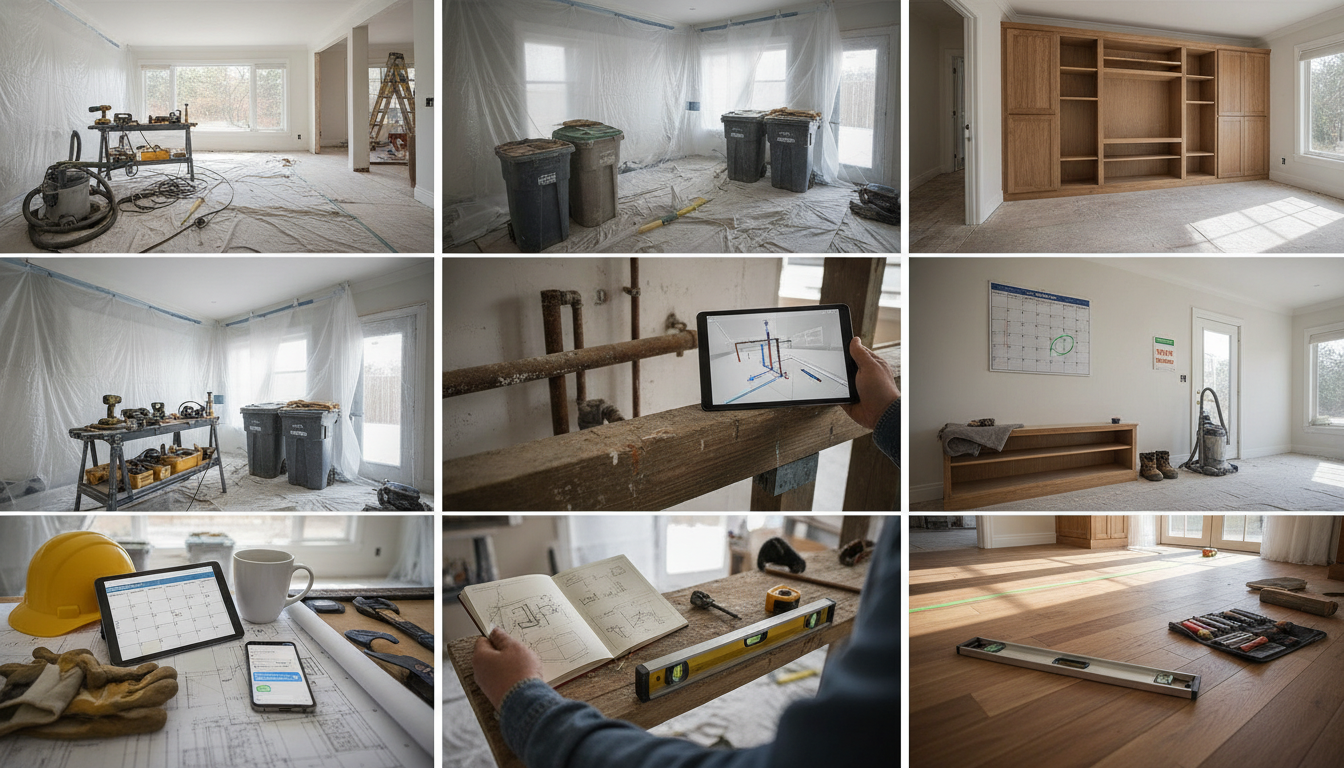
To better understand how these elevated practices translate into day-to-day operations, consider how standard contracting practices compare to exemplary client management:
| Service Area | Standard Industry Practice | Exemplary Service Approach |
|---|---|---|
| Daily Communication | Unscheduled updates; calls returned after several days; minimal visibility into schedule. | Structured daily logs, weekly look-ahead schedules, and dedicated client portal access. |
| Site Protection | Basic plastic sheeting over immediate work areas; basic sweeping at week’s end. | Full containment zones, HEPA air filtration, floor masking, and daily 30-minute cleanups. |
| Budgeting Adjustments | Verbal approvals leading to unexpected final invoice charges. | Formal digital change orders approved prior to any work modification or material ordering. |
| Neighborhood Logistics | Trade vehicles park arbitrarily; minimal consideration for neighbor access or noise. | Proactive neighbor introductions, parking management plans, and street cleanup. |
| Project Handover | Homeowner must spot defects; slow follow-up on final cosmetic adjustments. | Internal pre-punch audits, organized warranty digital binders, and scheduled warranty check-ins. |
How Homeowners Can Identify Service-Oriented Contractors
Finding a builder who delivers high levels of customer care requires asking the right questions during the interview process. Rather than focusing solely on price and estimated start dates, prospective clients should evaluate a firm’s operational processes and client management philosophy.
When vetting potential remodeling partners, consider asking the following questions:
- “What is your formal process for protecting unrenovated areas of my home from dust and damage?”
- “How often will I receive updates, and who is my single point of contact during construction?”
- “can you walk me through your digital change order process if we encounter unforeseen structural issues?”
- “What steps do you take to minimize disruptions to my immediate neighbors?”
- “What does your post-project warranty program look like after final payment is made?”
Detailed, confident answers to these questions usually indicate a mature, client-focused business model designed to minimize stress and maximize home value.
Investing in Peace of Mind for Your Next Build
A major renovation represents a significant financial and emotional investment in your property. While technical craftsmanship remains essential, the quality of your daily experience depends entirely on your team’s dedication to communication, cleanliness, transparency, and accountability. By prioritizing contractors who demonstrate these strong customer care practices, you ensure that your home transformation journey is as rewarding and seamless as the final result.
Frequently Asked Questions
What defines exceptional service in major residential remodeling?
Exceptional service is defined by proactive communication, meticulous job site management, total transparency, and respect for the homeowner’s daily life. It goes beyond technical skill to ensure the renovation process is smooth and stress-free.
How do top contractors handle project communication during a renovation?
Top contractors establish structured, multi-channel communication plans before work begins. They keep homeowners informed through daily build logs, digital client portals, messaging app updates, and scheduled weekly check-ins.
How should contractors manage unexpected issues found during demolition?
When unforeseen issues arise, exemplary contractors provide transparent explanations, such as video walk-throughs, along with proposed solutions and their direct budget impacts before asking the homeowner for a decision.
What measures do professional contractors take for job site protection?
Professional contractors treat site protection as a core priority by installing commercial-grade floor protection, plastic zip-walls with negative air pressure fans, and heavy-duty duct sealing before demolition starts to contain dust and debris.