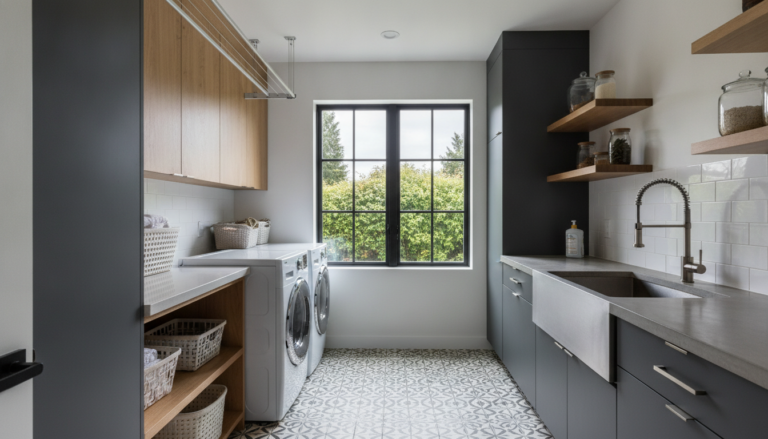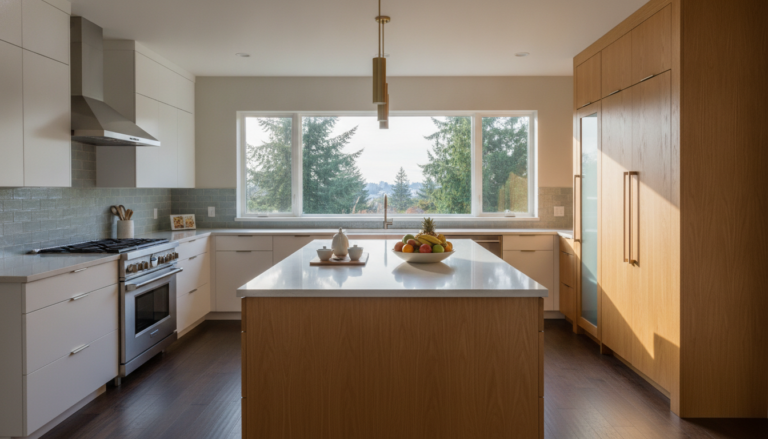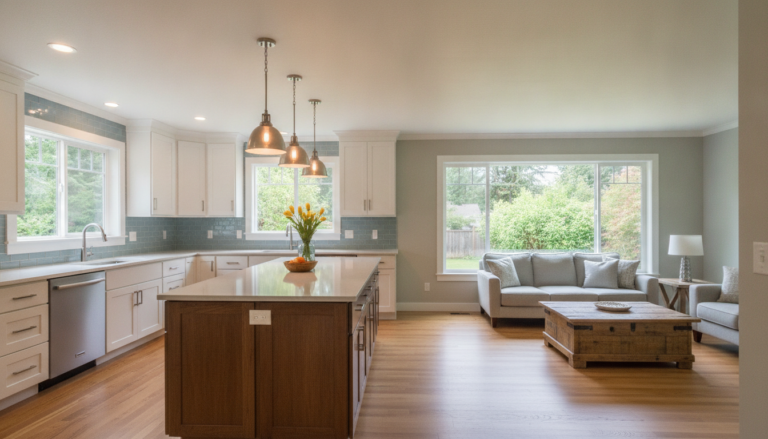
Choosing the right flooring for a home in the Pacific Northwest means fighting a constant battle against moisture, mud, and dramatic seasonal humidity shifts. When weighing hardwood vs luxury vinyl plank pacific northwest climate performance, the right choice ultimately depends on balancing natural aesthetic value with raw moisture resistance. While traditional hardwood offers unmatched elegance and long-term ROI, Luxury Vinyl Plank (LVP) provides an imperious barrier against the relentless PNW rain.
The Pacific Northwest Climate Challenge: Moisture, Mud, and Humidity
Homes in Western Washington, Oregon, and Coastal British Columbia face a unique set of environmental factors. The region’s infamous drizzle isn’t the only threat to your interior floors; it’s the combination of prolonged dampness, track-in mud, and fluctuating indoor humidity levels that truly tests a surface.
During the soggy autumn and winter months, wet footwear, drenched pets, and dripping umbrellas introduce significant amounts of liquid water directly into entryways and living spaces. In the summer, ambient humidity drops, causing indoor air to dry out as heating systems cycle off and windows open to dry breezes. This constant cycle of expansion and contraction creates extreme stress for organic building materials, making material selection a critical design decision.
Hardwood Flooring in the PNW: Classic Beauty Meets Natural Vulnerability
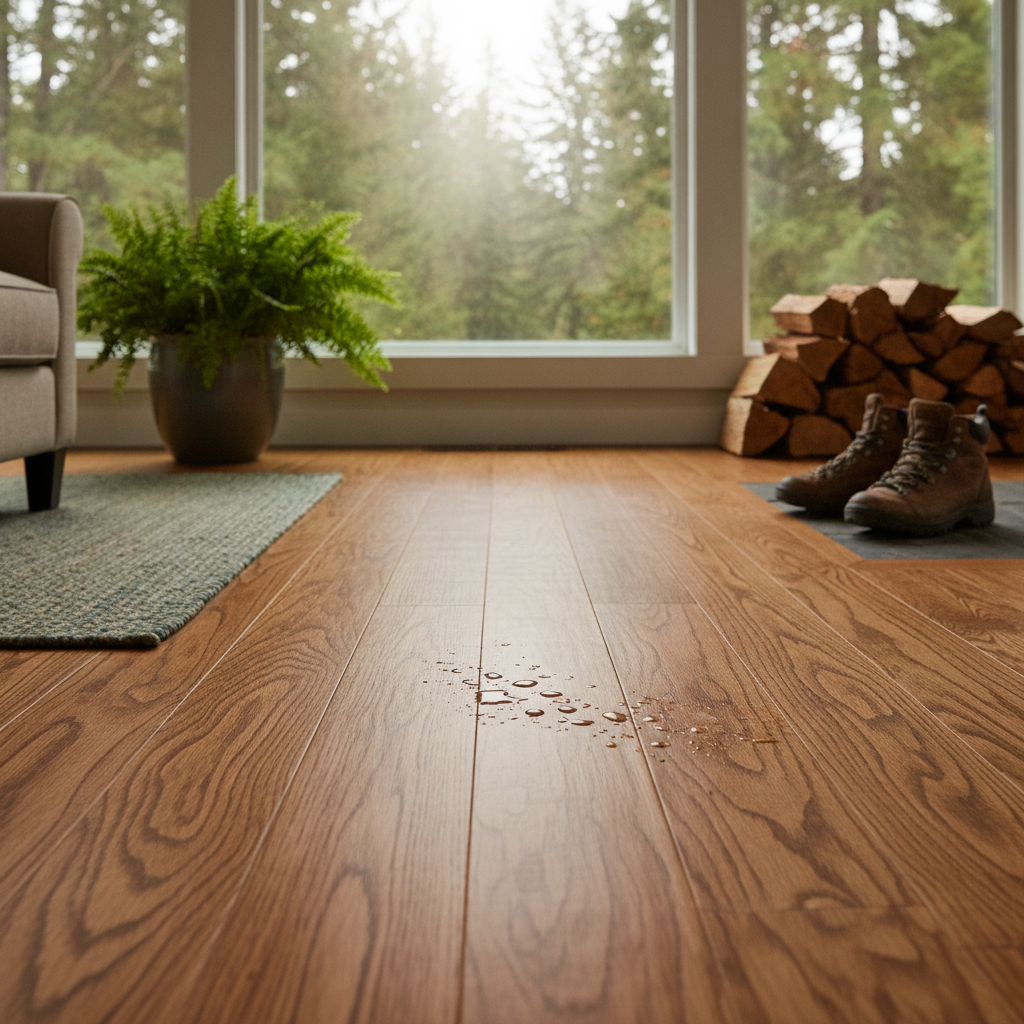
Hardwood remains the undisputed king of timeless interior aesthetics. It brings warmth, character, and significant real estate value to PNW homes, perfectly matching the regional design palette of exposed timber, natural stone, and forest views.
Solid Hardwood vs. Engineered Hardwood
When discussing hardwood in coastal or damp climates, it is vital to distinguish between solid wood and engineered wood construction:
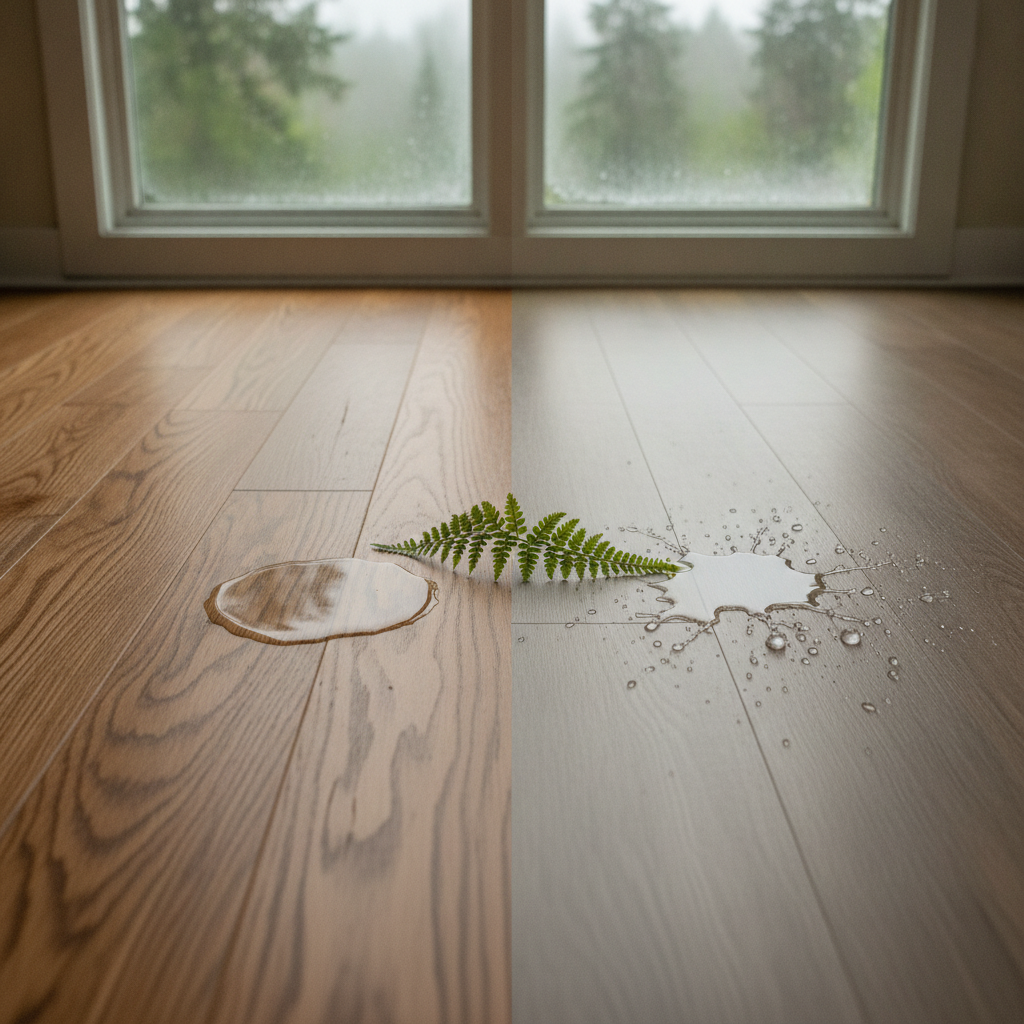
- Solid Hardwood: Cut from single planks of timber (typically oak, maple, or walnut). It is highly susceptible to the PNW environment. Excess moisture causes solid wood boards to cupping (edges rise) or crowning (center swells). Conversely, low winter humidity caused by forced-air heating leads to gapping between planks.
- Engineered Hardwood: Features a real hardwood veneer atop a cross-laminated plywood core. This dimensional core resists expanding and contracting, making engineered hardwood a far superior choice over solid wood for PNW homeowners who insist on real timber.
Maintenance and Long-Term Value of Real Wood
Hardwood requires vigilance in humid climates. Spills must be wiped up immediately, and mud must not sit on surface finishes. However, hardwood offers an advantage that no synthetic floor can match: longevity. A high-quality solid or thick-engineered hardwood floor can be sanded and refinished multiple times over decades, aging gracefully alongside your home.
Luxury Vinyl Plank (LVP): Built for the Pacific Northwest Weather
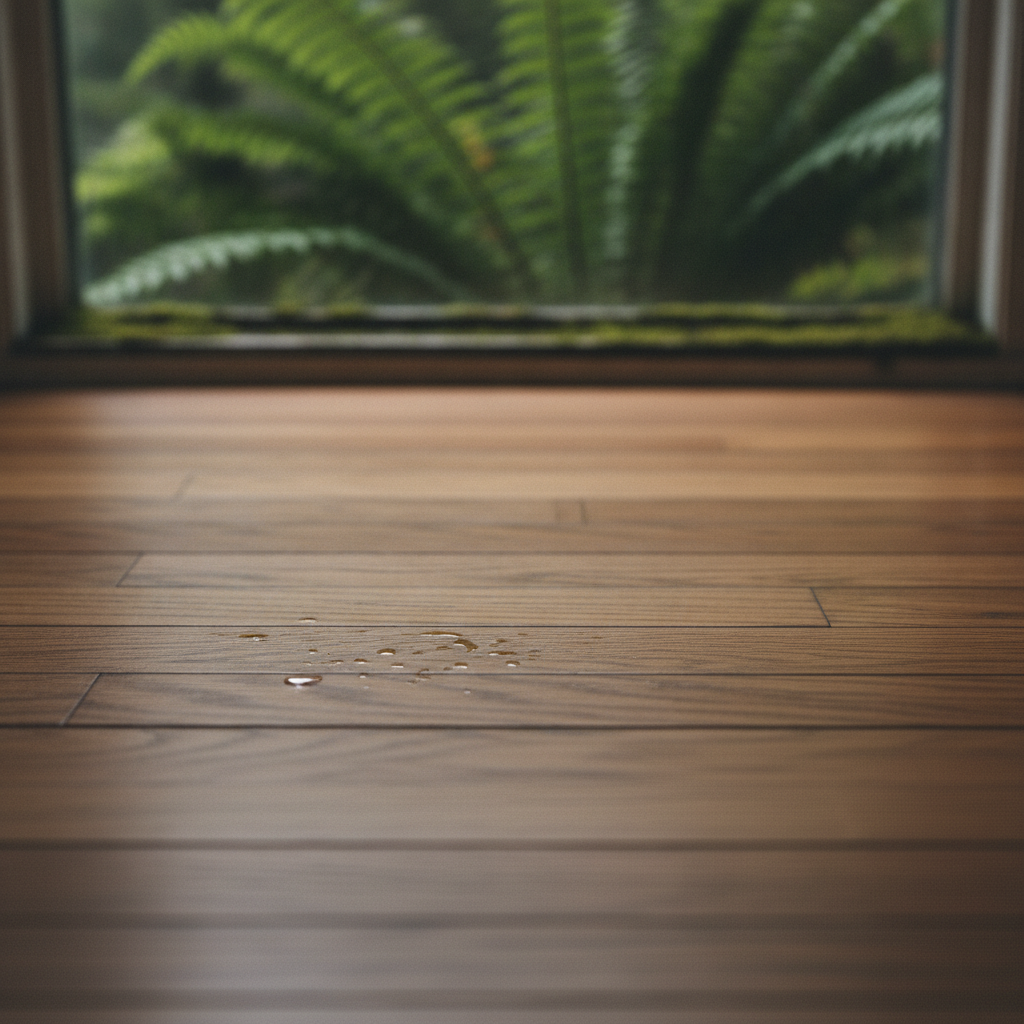
Luxury Vinyl Plank has exploded in popularity across Seattle, Portland, and Vancouver, precisely because it solves the primary weaknesses of traditional flooring in damp environments. Designed to mimic the grain, texture, and visual depth of natural wood, LVP consists of synthetic layers topped with an ultra-durable wear layer.
100% Waterproof Performance
The primary selling point of LVP in the Pacific Northwest is its total immunity to moisture. Premium LVP products feature a Rigid Core—either Stone Plastic Composite (SPC) or Wood Plastic Composite (WPC):
- SPC Rigid Core: Dense, ultra-durable, and 100% waterproof. It stays completely dimensionally stable even if submerged in water, making it ideal for mudrooms, basements, and kitchens where wet boots and dog paws land.
- WPC Rigid Core: Offers a slightly softer, warmer underfoot feel while maintaining absolute waterproof integrity against heavy rain runoff and melting mountain snow.
Unlike hardwood, LVP will never cup, warp, split, or gap due to atmospheric humidity changes or standing puddle water brought inside from a rainy hike.
Scratch and Mud Resistance
The heavy-duty wear layer on quality LVP (measured in mils, with 20mil+ recommended for active homes) protects against the abrasive grit of wet soil, river sand, and dog claws. Cleaning requires nothing more than a damp mop, eliminating the need for specialized wood cleaners or delicate maintenance routines.
Head-to-Head Comparison: Hardwood vs. LVP in PNW Conditions
| Performance Factor | Hardwood Flooring (Engineered) | Luxury Vinyl Plank (LVP) |
|---|---|---|
| Water Resistance | Moderate (Spills require quick cleanup) | 100% Waterproof |
| Humidity Stability | Moderate (Can shift with seasonal swings) | Exceptional (No expansion/contraction) |
| Scratch & Pet Resistance | Vulnerable to deep scratches and claws | Highly Resistant (Commercial wear layer) |
| Lifespan | 50 to 100+ Years (Refinishable) | 15 to 25 Years (Replacement required) |
| Resale Value (ROI) | High (Top buyer preference) | Moderate to High (Market dependent) |
| Cleaning & Upkeep | High care needed; moisture-sensitive | Low care needed; sweep and damp mop |
Room-by-Room Breakdown for PNW Homes
Mudrooms, Foyers, and Entryways
These zones bear the brunt of rainy seasons. LVP is the undisputed winner here. Tracked-in water, slush, and heavy boot traffic will quickly break down hardwood finishes and penetrate seams, leading to dark water stains and rot.
Basements and Sub-Grade Living Spaces
Due to high ground moisture and potential hydrostatic pressure common in PNW soils, solid hardwood should never be installed below grade. Engineered hardwood can occasionally be used with specialized moisture barriers, but LVP with an SPC core is the safest, most reliable choice for PNW basements.
Main Living Areas and Bedrooms
For upper-level living rooms, dining rooms, and primary suites removed from direct outside entry, engineered hardwood shines. It provides high tactile warmth during chilly grey winters and maximizes home appraisal values when it comes time to sell.
The Verdict: Which Flooring Holds Up Best?
When analyzing hardwood vs luxury vinyl plank pacific northwest climate suitability, there is no single right answer for every homeowner, but clear rules apply based on your lifestyle:
Choose Luxury Vinyl Plank (LVP) if: You have an active family, messy dogs, love outdoor adventures in wet weather, or want complete peace of mind in high-moisture areas like entryways, basements, and kitchens without high maintenance overhead.
Choose Engineered Hardwood if: You prioritize real estate value, natural materials, unmatched visual authenticity, and are willing to maintain indoor humidity controls (like whole-home humidifiers/dehumidifiers) to preserve real timber investment.
For many PNW homeowners, the ultimate strategy is a hybrid approach: installing ultra-durable LVP in high-traffic, wet zones near entryways and basements, while reserving rich engineered hardwood for main-floor living spaces and bedrooms.
Related Articles
Frequently Asked Questions
Which is better for the Pacific Northwest climate: hardwood or luxury vinyl plank (LVP)?
Luxury vinyl plank generally holds up better in the PNW due to its 100% waterproof nature, making it immune to wet boots and high humidity. While hardwood offers timeless elegance, it requires extra care to prevent moisture damage and warping in damp coastal weather.
How does Pacific Northwest rain affect natural hardwood flooring?
Excessive rainfall and tracked-in moisture can cause natural hardwood to expand, cup, or warp over time. To protect hardwood in the PNW, home owners need to maintain consistent indoor humidity and promptly wipe up any liquid spills.
Is luxury vinyl plank completely waterproof against PNW moisture?
Yes, high-quality LVP is completely waterproof and will not swell, buckle, or crack when exposed to rain, snow, or mud. This makes it an ideal, low-maintenance choice for PNW mudrooms, entryways, and basements.
Can engineered hardwood handle the moisture levels in the PNW better than solid hardwood?
Yes, engineered hardwood is constructed with a plywood core that makes it much more dimensionally stable than solid hardwood. It resists shrinking and swelling caused by fluctuating PNW humidity, offering a great middle ground.
What is the most durable flooring option for active PNW families and pets in 2026?
In 2026, LVP remains the top recommendation for active PNW households with pets and outdoor gear. Its scratch-resistant wear layer easily withstands dirt, claws, and moisture that are commonly tracked inside.