If you are frustrated by the constant physical labor of chopping wood, hauling heavy logs, and facing strict local air quality burn bans just when you need warmth the most, upgrading to a modern gas or electric fireplace insert is the definitive solution. Homeowners in regions with older properties often find themselves stuck with traditional open-hearth wood fireplaces. While aesthetically pleasing, these outdated structures are notoriously inefficient and heavily regulated during the winter months. This comprehensive guide explores how transitioning to a compliance-friendly insert not only modernizes your living space but also guarantees uninterrupted emergency heating during severe power outages. More importantly, we will dive into how this practical upgrade seals off drafty chimneys, fundamentally transforming your home’s thermal dynamics and significantly boosting your overall energy efficiency during the dampest, coldest months of the year.
The Problem with Traditional Open-Hearth Wood Fireplaces
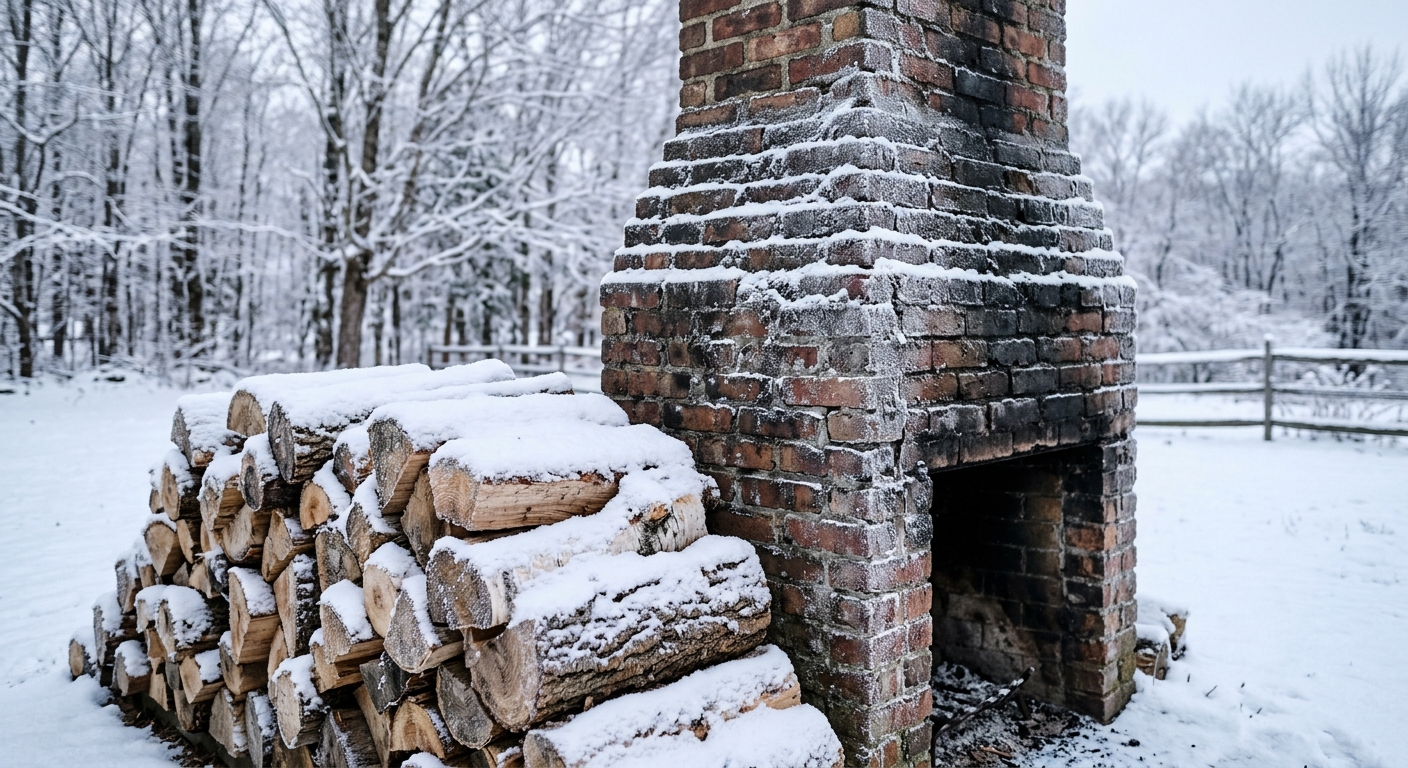
For centuries, the traditional open-hearth wood fireplace has been the centerpiece of the family home, offering a rustic ambiance and the primal comfort of a crackling fire. However, modern building science reveals a stark reality: these charming fixtures are highly problematic when it comes to maintaining a warm, comfortable, and cost-effective living environment.
First and foremost is the fundamental issue of heat loss. An open chimney acts like a giant vacuum, continuously sucking the ambient, conditioned air out of your living space and exhausting it outside. Even when a fire is burning brightly, the negative pressure created by the draft pulls cold air into the house through every microscopic crack and crevice in doors, windows, and walls. The resulting net heat gain is often negligible, and in some cases, running a wood fire actually lowers the temperature in adjacent rooms, forcing your central furnace to work overtime. This dynamic completely undermines a home’s energy efficiency.
Beyond the thermal physics, managing a traditional fireplace requires significant, ongoing physical labor and maintenance. Homeowners must constantly deal with the following burdens:
- Sourcing and seasoning cordwood: Splitting, stacking, and storing wood requires substantial outdoor space and months of drying time to ensure a clean burn.
- Indoor debris and pests: Bringing rough wood indoors inevitably introduces bark, dirt, spiders, and other insects into your clean living areas.
- Creosote buildup: Wood smoke leaves behind highly flammable creosote deposits inside the flue, necessitating expensive, annual professional sweeps to prevent catastrophic chimney fires.
- Lingering odors: The smell of stale smoke and damp ash can permeate carpets, curtains, and furniture, degrading indoor air quality.
Ultimately, while an open hearth may offer nostalgia, it fails dramatically as a practical, modern heating appliance in today’s environmentally conscious landscape.
Navigating Strict Winter Air Quality Burn Bans
As municipalities become increasingly aware of the severe health impacts of localized air pollution, strict regulations are being enforced to control wintertime emissions. During periods of cold, stagnant weather—often referred to as thermal inversions—a layer of cold air gets trapped near the ground by a layer of warmer air above it. This meteorological phenomenon traps particulate matter (PM2.5) from wood smoke close to the surface, creating a toxic, smoggy environment that poses serious respiratory risks to the entire community.
To combat this hazard, local environmental agencies frequently issue mandatory burn bans. These restrictions are heavily enforced, with steep fines for non-compliance. For families relying on cordwood to supplement their heating, a sudden ban during a freezing week can be both frustrating and uncomfortable. Navigating these regulations requires understanding the local rules and investing in automated heating solutions that are entirely immune to such restrictions.
Can I still use my wood-burning fireplace during a local air quality burn ban?
Generally, no. During standard stage 1 or stage 2 air quality burn bans, the use of uncertified wood-burning fireplaces and stoves is strictly prohibited. Gas and electric fireplaces are exempt from these bans, making them the only reliable options for uninterrupted supplemental heating. Because they produce zero particulate emissions, they are fully compliance-friendly, allowing you to stay warm and comfortable without risking severe fines or contributing to hazardous winter smog. This legal exemption is one of the primary drivers pushing homeowners toward modernizing their older, restricted masonry hearths.
Gas and Electric Inserts: A Compliance-Friendly Fireplace Upgrade
The transition from an open wood hearth to a sealed, modern insert is one of the most impactful home improvement projects a homeowner can undertake. A fireplace insert is essentially a self-contained, highly engineered heating appliance designed to slide directly into the existing opening of a masonry fireplace. Available in both gas and electric models, these units completely seal off the drafty old chimney, stopping indoor heat from escaping and outside cold from penetrating.
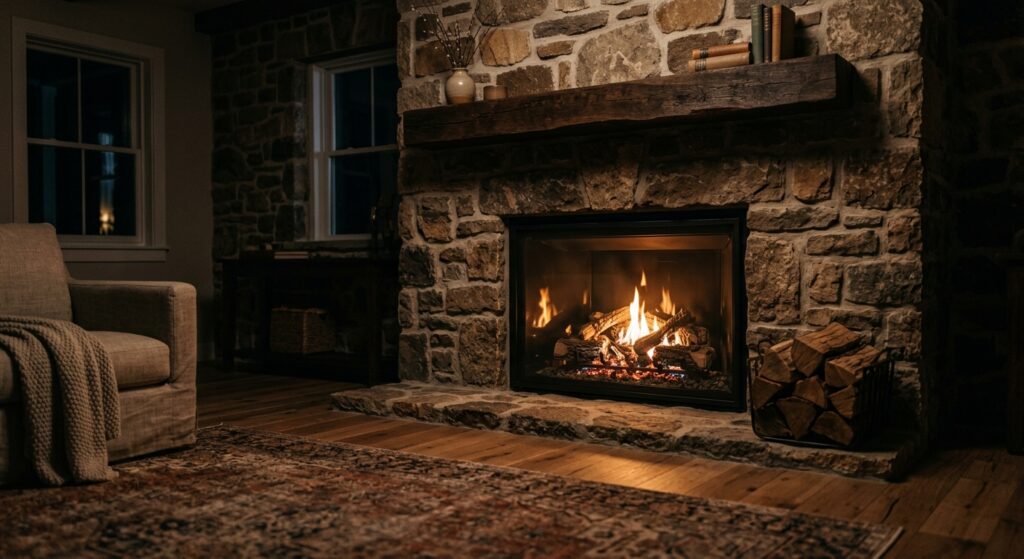
Gas inserts, in particular, offer a robust combination of authentic aesthetics and high-performance heating. They utilize realistic ceramic logs and glowing ember beds that mimic the charm of a real fire without any of the associated ash, smoke, or physical labor. You can ignite the flames instantly with a remote control, a wall switch, or even a smartphone app. Furthermore, by keeping the heated air inside your home and radiating it efficiently into the room, these upgrades dramatically improve the energy efficiency of the entire property.
| Feature | Traditional Wood Fireplace | Direct-Vent Gas Insert | Electric Insert |
|---|---|---|---|
| Burn Ban Status | Prohibited during bans | Always Exempt | Always Exempt |
| Energy Efficiency | Very Low (10-15%) | High (70-85%) | Very High (99%) |
| Maintenance | High (Chopping, sweeping) | Low (Annual checkup) | Minimal (Dusting) |
| Emergency Heating | Yes (Requires wood supply) | Yes (Battery backup) | No (Requires power grid) |
As the table above illustrates, upgrading to an insert provides an overwhelming advantage in almost every practical category, completely eliminating the regulatory headaches associated with traditional burning while maximizing indoor comfort.
Does a new gas fireplace insert require a traditional chimney to operate safely?
No. Modern direct-vent gas inserts use a specialized dual-pipe venting system. While this system is often routed up through your existing masonry chimney for convenience, it effectively seals off the room from exhaust gases, ensuring optimal indoor air quality and eliminating the drafts associated with old chimneys. One pipe draws in fresh, outside air dedicated strictly for combustion, while the second pipe safely vents all exhaust fumes back outside. This closed-loop process fundamentally changes how the appliance interacts with your living space, contributing significantly to a superior level of energy efficiency by preserving the integrity of your home’s thermal envelope.
Securing Reliable Emergency Heat for Severe Winter Storms
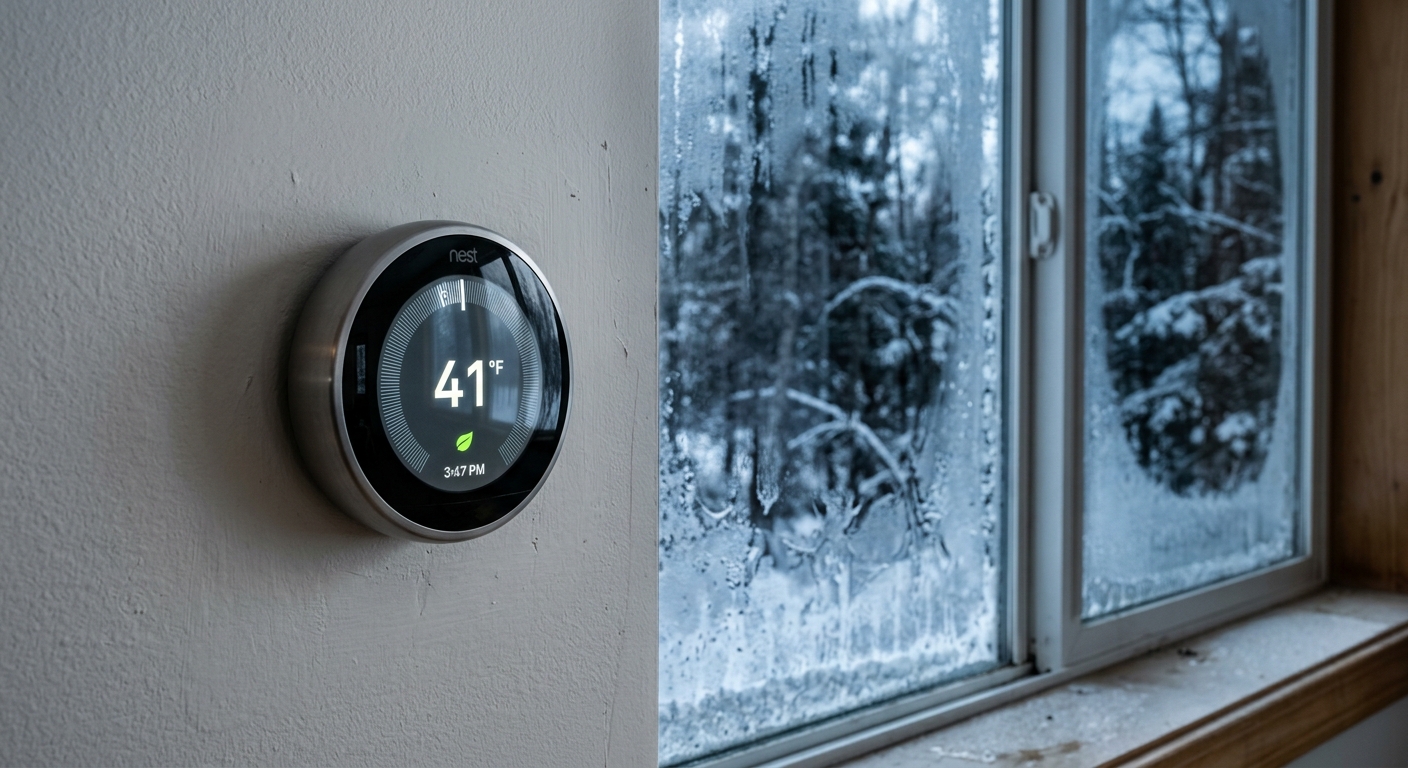
Winter storms bring a unique set of anxieties, chief among them being the threat of a prolonged electrical grid failure. When the power goes out, the main central heating system—whether it relies on natural gas, oil, or electricity—will immediately shut down, as the blower motors and electronic thermostats require electricity to function. Within a matter of hours, an unheated home can reach freezing temperatures, endangering the occupants and risking catastrophic, costly damage from burst plumbing pipes.
This is where a modern gas insert proves its worth far beyond mere aesthetics and daily comfort. While electric inserts are entirely reliant on the grid and become useless during a blackout, premium gas models are intelligently engineered to operate independently of external electricity. They provide a radiant and convective heat source that can keep your primary living area safe, illuminated, and comfortably warm for days on end during the worst weather conditions.
Will a gas fireplace still work if the power goes out during a severe winter storm?
Yes. The vast majority of premium direct-vent gas inserts are equipped with a standing pilot light or a battery-backup ignition system. This crucial feature allows you to safely ignite and operate the fireplace to keep your main living area warm, even during prolonged electrical grid failures. A small component called a thermopile generates just enough millivolt current from the heat of the pilot flame to open the main gas valve. This means you can still control the heat output manually when the neighborhood goes completely dark.
“A well-maintained direct-vent gas fireplace is not just a centerpiece of interior design; it is a critical off-grid heating contingency that protects your home’s structural integrity and plumbing from freezing during severe winter outages.”
Boosting Energy Efficiency During Damp and Cold Months
As utility costs continue to climb globally, maximizing energy efficiency has become a top priority for conscientious homeowners. Older homes often suffer from poor thermal envelopes, and a traditional open chimney is one of the worst offenders for massive heat loss. By installing a direct-vent gas or electric insert, you physically plug this massive hole in your house. The heavy ceramic glass front of the insert acts as a permanent, airtight barrier, stopping the central furnace’s expensive warm air from being sucked outside into the winter chill.
Moreover, these modern units facilitate an advanced, cost-saving heating strategy known as zone heating. Instead of running the central HVAC system at a high temperature to warm the entire house—including empty guest rooms, unused hallways, and basements—you can turn down the main thermostat and use the fireplace insert to heat only the room you are currently occupying. Because direct-vent systems use outside air for combustion, they do not deplete the warm air you are trying to generate in your living room.
This targeted approach drastically reduces the heavy workload on your primary furnace. The radiant heat emitted by the ceramic glass warms objects and people in the room directly, while built-in, low-wattage blowers circulate warm air efficiently throughout the space. Over the course of a damp, cold winter season, the cumulative effect of zone heating and eliminating chronic chimney drafts translates to a profound reduction in monthly utility bills, perfectly aligning with modern sustainability goals.
Conclusion: Modernize Your Home and Say Goodbye to Chopping Wood
The era of battling the freezing cold with a heavy axe, a pile of damp logs, and an inherently flawed, drafty open hearth is rapidly coming to an end. Strict winter air quality burn bans are here to stay, and the environmental and legal pressures against traditional wood fires will only intensify in the coming years. Fortunately, the path forward is clear, highly practical, and deeply beneficial to your daily life. Upgrading to a modern gas or electric fireplace insert solves multiple complex problems simultaneously. It entirely removes the exhausting physical burden of chopping and storing wood, ensures full compliance with local environmental regulations, and provides a stunning, instantly controllable focal point for your room. By exploring modern fireplace design options, you can ensure this functional upgrade seamlessly integrates with your home’s unique aesthetic.
More importantly, this technological upgrade offers unparalleled peace of mind. Knowing that you have a reliable, off-grid emergency heat source during violent winter storms is an invaluable asset for any homeowner. By fully sealing off the old masonry chimney and implementing smart, targeted zone heating, you fundamentally transform your home’s thermal dynamics. You stop paying utility companies to heat the outdoors and start enjoying a consistently warm, comfortable interior space. Ultimately, investing in a high-quality fireplace insert is not just about daily convenience; it is a definitive, proactive step toward superior home energy efficiency and a much smarter, more resilient way of living.